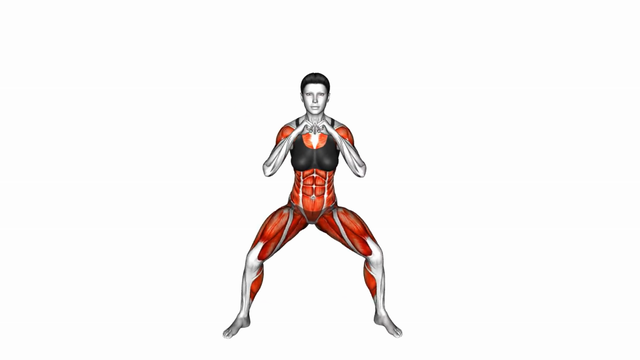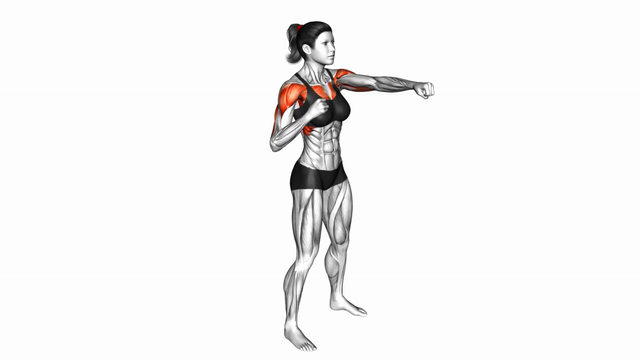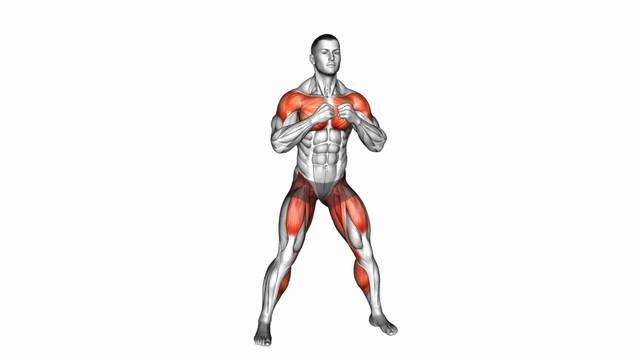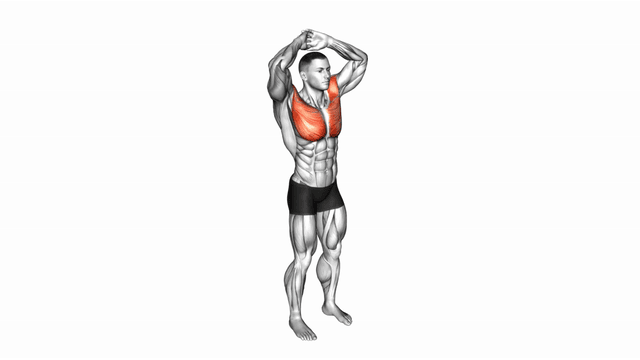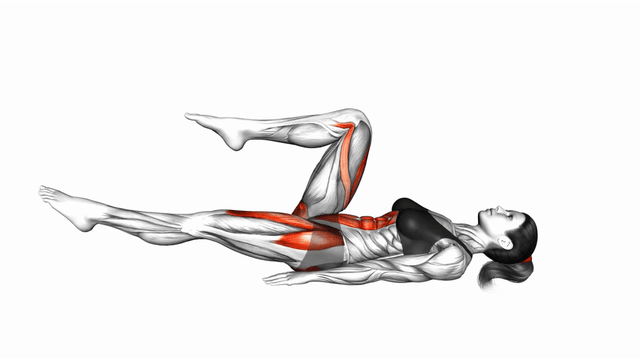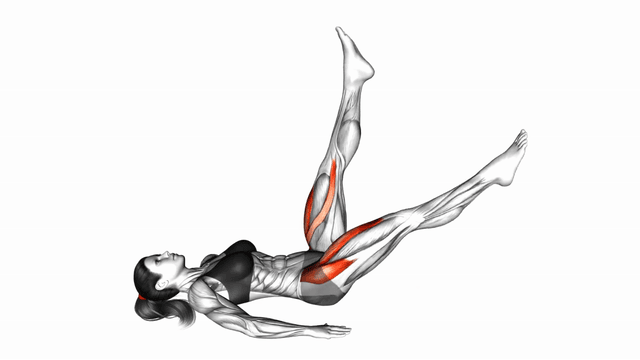












Chair exercises are a practical way for older adults to stay active at home — especially if standing workouts feel too challenging. With a sturdy chair or supportive armchair, you can train your legs, arms, core, posture, and balance confidence in a gentle, low-impact way. The goal is simple: move your body, build strength, and support everyday fitness without strain.

Why Chair Exercises Are Great for Seniors
Safer movement with support (great for balance and confidence)
A chair gives you something solid to hold, which can make exercise feel safer — especially if you’re working on balance. You can stay seated for most moves, and you can also use the chair for support during standing exercises.
Strength, mobility, and fitness — without high impact
Chair workouts can improve strength (especially in the legs), support better posture, and keep joints moving. Because many moves are seated and controlled, they’re often kinder to knees, hips, and ankles than jumping or fast routines.
Who chair workouts are best for
Chair exercises work well for beginners, seniors who prefer a gentle routine, people with limited mobility, and anyone looking for an easy way to stay consistent with at-home training.
Safety Setup Before You Start
Choose the right chair or armchair
Use a sturdy chair that does not roll or slide. A firm dining chair is often ideal. If you use an armchair, make sure it feels stable and doesn’t sink too deeply.
- Place the chair on a non-slip surface.
- Keep water nearby and give yourself space to move.
- Wear supportive shoes (or go barefoot only if the floor is safe and not slippery).
Best posture cues for seated training
- Sit tall (imagine a gentle lift through the top of your head).
- Relax shoulders down and back.
- Keep feet flat and stable when possible.
When to stop and who should check with a clinician
Stop if you feel sharp pain, dizziness, chest pressure, numbness, or sudden weakness. If you’ve had recent falls, a new injury, or major medication changes, it’s wise to check with a clinician or physical therapist before starting a new fitness routine.
Your Simple Full-Body Chair Workout (10–15 Minutes)
How often to train
- Gentle daily routine: 5–10 minutes most days
- Strength-focused routine: 3–4 days per week, with rest days
Quick warm-up (2 minutes)
- Seated march: 30 seconds
- Ankle circles: 5 each direction per foot
- Shoulder rolls: 5 slow rolls
- Reach up and down: 5 gentle reaches
Seated Leg Exercises (Strength + Circulation)
These chair-based leg exercises support strength and stability for daily activities like walking, climbing stairs, and standing up.
Seated marches (hips and core)
Sit tall and lift one knee slightly, then the other. Move slowly and breathe.
- 20–40 seconds
- Rest, then repeat 1 more time if you feel good
Seated knee extensions (front of thigh)
Straighten one leg, pause for 1 second, then lower with control.
- 8–12 reps each leg
- Keep the movement comfortable (no locking the knee)
Heel raises and toe lifts (ankles and calves)
- Toe lifts: heels down, lift toes up (10 reps)
- Heel lifts: toes down, lift heels up (10 reps)
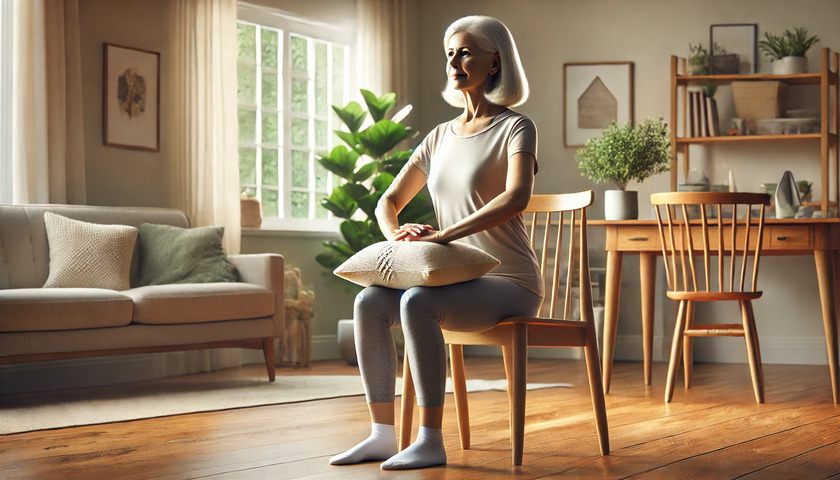
Inner-thigh squeeze (pillow or folded towel)
Place a pillow between your knees and gently squeeze, then relax.
- 8–12 slow squeezes
- Keep shoulders relaxed and breathe normally
Seated Upper-Body Strength (Arms, Back, and Posture)
A good chair workout isn’t only for legs. These moves support arm strength and better posture for everyday tasks.
Seated press (chest and arms)
Press your hands forward like a gentle push. You can also press lightly into a pillow.
- 10–12 reps
- Keep elbows soft and shoulders down
Seated rows (posture focus)
Using a light resistance band or towel, pull elbows back and squeeze shoulder blades gently.
- 8–12 reps
- Think “tall spine,” not “shrug”
Overhead reach or shoulder-friendly presses
Reach up comfortably (or press lightly upward). Keep the range small if shoulders feel tight.
- 6–10 reps
- Stop if you feel pinching or sharp discomfort
Biceps curls (light weights or water bottles)
Curl up slowly, lower slowly. Keep wrists straight.
- 8–12 reps
- Use light weight—control matters more than heaviness
Core and Gentle Pilates-Style Chair Moves
Pilates-style training focuses on control, posture, and steady breathing—perfect for chair-based fitness. Keep movements slow and comfortable.
Seated pelvic tilts (low back comfort)
Gently tilt your pelvis forward and back to find a comfortable “tall” sitting position. Repeat 8–10 times.
Seated knee lifts (core control)
Lift one knee slightly and lower with control. Alternate for 10–16 total lifts.
Seated side bends (waist and mobility)
Slide one hand down the side of your leg for a gentle side bend, then return tall. 6–8 reps per side.
Seated twist (gentle rotation)
Rotate gently to one side, pause, then return to center. Keep hips facing forward. 6–8 reps per side.
Add Resistance Safely (Optional)
If you want a little more strength training, add light resistance. A resistance band is often enough. Start easy and increase slowly over time.
Using a resistance band in a chair workout
- Choose a light band first.
- Move slowly—no snapping or bouncing.
- Stop if you feel sharp pain.
Simple resistance ideas
- Band rows: improve posture and upper-back strength
- Seated band leg press: strengthen legs gently
- Band side steps (standing with chair support): strengthen hips if you feel stable
How to progress without strain
First add a few reps, then add a second set. Only later consider slightly more band tension. Progress should feel steady, not stressful.
Standing Options Using the Chair for Support
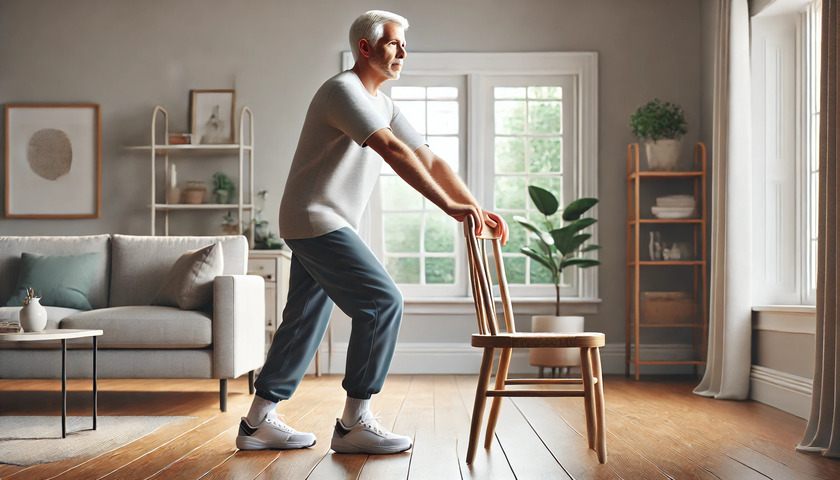
If you feel safe, add one or two standing moves. Keep one or both hands on the chair back for balance support.
Sit-to-stand (top senior strength exercise)
Stand up from the chair and sit back down slowly.
- 5–10 reps
- Use armrests if needed
Supported side steps
Step sideways along the chair or counter, then return. 5–10 steps each direction.
Supported single-leg balance (beginner-friendly)
Lift one foot slightly and hold 5–10 seconds. Repeat 2 times per leg.
Calf raises at the chair
Hold the chair back, lift heels up, lower down slowly. 10 reps.
Common Mistakes (And Easy Fixes)
- Holding your breath: breathe steadily to stay relaxed and strong.
- Rushing: slow, controlled movement is safer and more effective.
- Shrugging shoulders: keep shoulders down and neck relaxed.
- Sitting too far back: sit tall and slightly forward when doing leg and core moves.
- Using a soft chair that moves: choose a stable chair for training.
- Too much effort too soon: start easy and build gradually.
A Simple Weekly Plan (Beginner to Stronger)
Week 1–2: easy seated routine
Do the seated leg, upper-body, and core moves 3–5 days per week. Keep the effort easy. Focus on posture and breathing.
Week 3–4: add resistance and one standing move
Add a light resistance band for rows or leg presses. Choose one standing option (like sit-to-stand) 2–3 times per week.
After 1 month: longer workouts or extra sets
Add a second set to 1–2 exercises, or extend the workout to 15–20 minutes. The best plan is the one you can do consistently.
Bonus: Follow-Along Chair Workouts in the SenMate App
If you prefer guided sessions, SenMate can make it easier to stay consistent. Inside the SenMate app you’ll find chair-friendly routines for older adults—including seated strength exercises, balance-support workouts, gentle Pilates-style movements, and mobility training—with calm voice guidance and easy-to-read text instructions.
Conclusion: Stronger, Safer Movement—Right from a Chair
Chair exercises can be a surprisingly complete workout for seniors. With a few seated moves, you can strengthen your legs, improve posture, wake up your core, and support better balance—without needing a gym or long routines. The most important thing is to move slowly, keep breathing, and choose exercises that feel safe and comfortable.
Over time, this kind of chair-based training can make everyday activities feel easier—standing up from a chair, walking around the house, climbing a step, or carrying light items. Small, consistent workouts often build real confidence, especially when you start easy and gradually add a little resistance or a simple standing option using the chair for support.
If you want extra guidance, follow-along routines can help you stay on track. Whether you practice on your own or use a guided plan, a simple chair workout at home is a practical step toward better fitness, strength, and steadier movement for older adults.