SenMate – Smart Support and Warm AI Friend for Seniors
Best Mobile App Gift for Older Adults in 2026!
SenMate is a gentle mobile app created especially for seniors and older adults (50+, 60+, 70+), offering daily support, friendly AI chat, simple reminders, and easy daily tasks for mind and body in a calm and comfortable digital space. Inside you’ll find 6,000+ general knowledge facts, 2,000+ lifehacks for everyday use, easy-to-read Articles about Medicine & Health , soothing Audio Meditations, Brain Games and Quizzes, a clear Weather Report, a Daily Horoscope, and simple World Wide News Headlines. Almost everything in SenMate can be either read in large text or listened to as clear spoken audio, depending on what feels easier for you. and many other features...
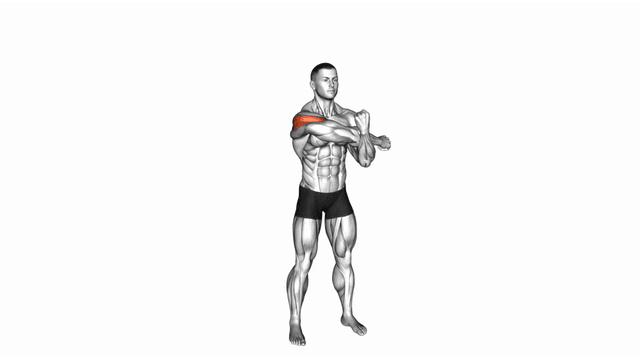
Across Chest Shoulder Stretch is a gentle shoulder stretch for seniors that helps loosen the shoulders and upper back. It can be especially helpful if you spend a lot of time sitting, using a phone, or doing small daily tasks that make the shoulders feel tight. You don't need to pull hard—this stretch works best when it's soft and comfortable. Over time, it may support easier reaching, dressing, and daily arm movements.
These muscles support reaching, lifting, dressing, and comfortable arm movement—and this stretch can help relieve tension from long periods of sitting.
Difficulty
Easy
Keep it gentle—stretching should feel mild, not sharp or painful.
Equipment
None
Optional: do it seated in a sturdy chair if you prefer more stability.
Duration
30–60 seconds per side
This stretch targets the shoulders and upper back—helping to release tension and support easier reaching and everyday arm movements.
Please listen to your body—if you’ve been told to avoid shoulder stretches or if anything feels tight or painful, just skip this one or keep the movement gentle. Slow and steady breathing will help you relax as you stretch.
How to do it (step-by-step)
Sit or stand tall
Stand with feet hip-width apart, or sit upright in a chair with both feet flat. Relax your shoulders.
Bring one arm across your chest
Lift one arm to about shoulder height and gently move it across your body.
Support the arm gently
Use your other hand to hold the arm just above the elbow (not on the elbow joint).
Keep the shoulder down
Avoid shrugging. Keep your neck long and your shoulder relaxed as you hold the stretch.
Hold and breathe
Hold for 10–20 seconds with slow, deep breathing. The stretch should feel mild, not painful.
Release and switch sides
Lower your arms, shake out gently if needed, then repeat on the other side.
Finish comfortably
Do 1–2 rounds per side. Take breaks anytime—gentle consistency matters more than intensity.
Breathing tip
Breathe in slowly, then breathe out as you relax deeper into the gentle hold.
Common mistakes (avoid these)
Pulling too hard (a gentle hold is enough)
Shrugging the shoulder up toward the ear
Holding the elbow joint instead of supporting above the elbow
Twisting your torso instead of keeping your posture tall
Holding your breath instead of breathing slowly
Reps / sets recommendation
Beginner
Hold 10–20 seconds per side × 1–2 rounds
Progress option
Hold 20–30 seconds per side × 2 rounds
Rest and breathe between sides
Tip for seniors
Stretching should feel comfortable. A light, steady hold with calm breathing is more effective than pulling harder.
Modifications
Easier
Do it seated in a chair for more stability.
Lower the arm slightly (below shoulder height) if needed.
Hold for shorter time (5–10 seconds) and repeat gently.
Harder (only if pain-free)
Hold a bit longer (up to 30 seconds) while staying relaxed.
Add a very small shoulder blade squeeze (do not force).
Repeat 2–3 rounds per side with calm breathing.
Who should avoid / cautions
Use extra care or avoid this stretch if you have:
Sharp shoulder pain, recent shoulder/arm surgery, or rotator cuff injury
Numbness or tingling down the arm during the stretch
Neck pain that worsens when the arm is raised
Recent falls or dizziness (prefer seated)
Any medical advice to avoid shoulder stretching
If you’re unsure, keep the movement very small or do it seated, and ask your doctor/physio what is safe for you.
Doing the Across Chest Shoulder Stretch regularly can help older adults reduce shoulder and upper back tightness—especially after sitting, reading, or using a phone. This gentle stretch for seniors takes less than a minute per side, needs no equipment, and can support easier daily movements like dressing, reaching, and lifting light items. Keep it comfortable, breathe slowly, and remember: a soft stretch done consistently is often the most helpful.
For many people, yes—this can be a gentle shoulder stretch for seniors when done slowly and without pain. Keep the pull light, relax the shoulder down, and stop if you feel sharp pain, numbness, or tingling.
Make the stretch smaller, lower the arm a little, and keep the shoulder relaxed. Never force the position. If you feel pinching or sharp pain, stop and choose a gentler option.
Yes. This is a comfortable chair stretch for seniors. Sit tall with both feet flat and keep your breathing slow and steady.
A good starting point is 3–5 days per week, especially after sitting for a long time. Even 1–2 gentle holds per side can help when done consistently.
It targets the shoulders and upper back—muscles that support reaching, lifting, and everyday arm movements.
What seniors say
“My shoulder feels looser after just one round.”
Gloria
Age 72 • Beginner
“This across chest shoulder stretch is gentle but effective.
I hold it softly and my upper back feels less tight afterward.”
“Perfect after sitting or reading for a long time.”
Harold
Age 66 • Daily stretch
“It’s a simple shoulder stretch for seniors.
I do it seated and it helps my shoulders relax without pushing too far.”
“I like that it’s quick and gentle.”
Mei
Age 74 • Short routine
“I hold the stretch lightly and breathe slowly.
It helps ease tension in my upper back and shoulders.”
“Seated version feels very safe for me.”
Thomas
Age 70 • Prefers chair stretches
“As a chair stretch for seniors, this one is easy to follow.
I keep it gentle and stop before it feels too strong.”
“Helps me feel more comfortable when reaching.”
Sandra
Age 63 • Mobility focus
“After a few gentle holds, my shoulders feel freer.
It’s a nice stretch before daily tasks around the house.”
“The slow breathing makes it even better.”
Luis
Age 68 • Focus on breathing
“When I breathe slowly, the stretch feels smoother.
It’s a calm way to loosen the upper back and shoulders.”
“Simple and helpful for stiffness.”
Aisha
Age 76 • Gentle pace
“I don’t pull hard—just a light hold.
It helps reduce stiffness in my shoulders and feels comfortable.”
“Great little stretch before bed.”
Robert
Age 71 • Evening routine
“I do this across chest shoulder stretch on both sides.
It relaxes my upper back and helps me feel more comfortable.”
Why Exercise Matters for Older Adults
Regular physical activity becomes increasingly important as we age. Exercises for seniors help maintain independence, reduce fall risk, and support everyday activities like climbing stairs or carrying groceries. Whether you prefer standing routines or seated exercises in a chair, the key is consistency. Strength training with light resistance bands or body weight can preserve muscle mass that naturally decreases with age. Balance exercises are equally vital—they improve stability and confidence when walking or standing. The good news is that you don't need a gym membership or complex equipment. Many effective workouts can be done safely at home using just an armchair for support, making it easier for elderly individuals to stay active on their own schedule.
Key Benefits of Senior Fitness
Studies show that older adults who exercise regularly experience better mobility, stronger bones, and improved mental health. Even simple chair-based movements can increase flexibility and circulation. The combination of resistance training and balance work creates a foundation for healthier aging—helping you maintain the strength and coordination needed for daily living while reducing the risk of injury.