SenMate – Smart Support and Warm AI Friend for Seniors
Best Mobile App Gift for Older Adults in 2026!
SenMate is a gentle mobile app created especially for seniors and older adults (50+, 60+, 70+), offering daily support, friendly AI chat, simple reminders, and easy daily tasks for mind and body in a calm and comfortable digital space. Inside you’ll find 6,000+ general knowledge facts, 2,000+ lifehacks for everyday use, easy-to-read Articles about Medicine & Health , soothing Audio Meditations, Brain Games and Quizzes, a clear Weather Report, a Daily Horoscope, and simple World Wide News Headlines. Almost everything in SenMate can be either read in large text or listened to as clear spoken audio, depending on what feels easier for you. and many other features...
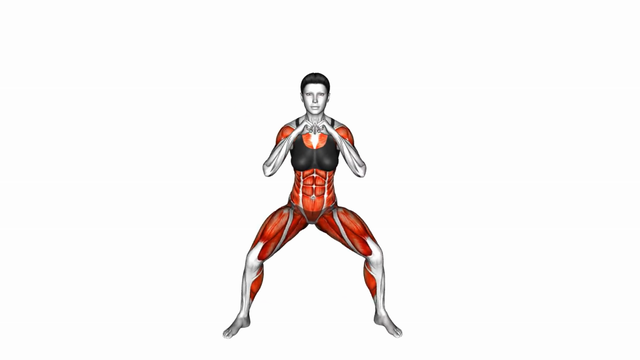
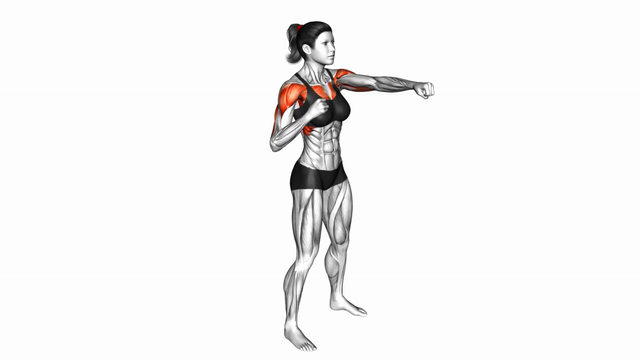
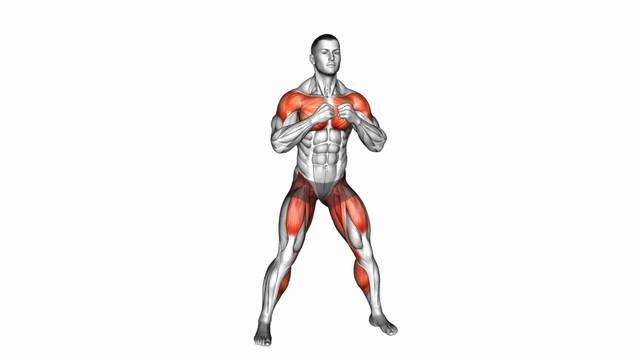
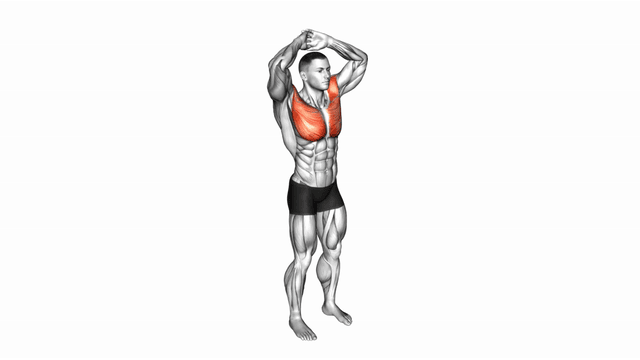
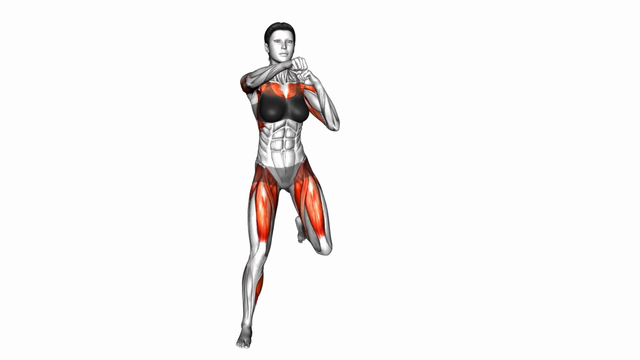
4 Punches Side Squat is a gentle, dynamic senior exercise that combines light punching with a small side squat. It supports leg strength, balance, and coordination for everyday movements like walking, reaching, and getting up from a chair. Keep everything controlled and comfortable—small punches and a shallow squat still count. Any effort you make is a great step toward better health.
This exercise works your legs, glutes, shoulders, chest, and core muscles—helping to improve both strength and coordination for daily movements like walking, reaching, and getting up from a chair.
Difficulty
Easy to medium
Keep the squat shallow and the punches light. Control and comfort come first.
Equipment
None
Optional: stand next to a sturdy chair or armchair for extra balance support.
Duration
45–90 seconds
This movement combines gentle punches with a side squat to train balance, leg strength, and coordination in one simple routine.
Please be kind to your body—if you’ve been advised to avoid certain exercises, or if anything feels uncomfortable or painful, it’s best to stop and take a break. And don’t forget to breathe deeply as you move; it helps your body stay relaxed and strong.
How to do it (step-by-step)
Set up your stance
Stand tall with feet together or hip-width apart. If balance is limited, stand next to a sturdy chair or armchair.
Bring hands to guard position
Bend elbows and hold hands in front of your chest. Keep shoulders relaxed and posture upright.
Do four gentle punches
Punch forward four times, alternating arms: one, two, three, four. Keep punches light and at chest level.
Step out to the side
Take a slow step to the side. Keep toes pointing forward and weight evenly through both feet.
Lower into a small squat
Bend knees slightly and sit back a little as if toward a chair. Keep the squat shallow and pain-free.
Stand up smoothly
Press through your feet and return to standing. Keep your core gently active for balance.
Return and repeat
Step back to your starting position and repeat the sequence. Alternate stepping to the other side next time.
Breathing tip
Breathe in gently before the side step, then breathe out as you lower into the squat and rise back up. Keep breathing steady during the punches.
Common mistakes (avoid these)
Going too fast and losing balance
Squatting too deep or letting knees cave inward
Leaning forward instead of keeping the chest lifted
Punching too hard or lifting shoulders toward the ears
Holding your breath during the squat
Reps / sets recommendation
Beginner
6–8 rounds total (3–4 per side) × 1–2 sets
Progress option
8–12 rounds total (4–6 per side) × 2 sets
Rest 30–60 seconds and keep breathing steady
Tip for seniors
Use a chair or armchair for support and keep the squat small. Smooth, steady training is safer and often more effective than bigger movements.
Modifications
Easier
Hold a chair or armchair lightly for balance support.
Do a very shallow squat or replace the squat with a gentle side step and tap.
Seated option: sit tall in a chair and do four light punches, then step one foot out to the side and back.
Harder (only if pain-free)
Hold the squat for 1–2 seconds before standing back up.
Increase to six punches before each side squat while staying relaxed.
Do a slightly wider side step while keeping knees aligned and posture tall.
Who should avoid / cautions
Use extra care or choose an easier option if you have:
Knee, hip, or ankle pain that worsens with squats or side stepping
Recent lower-body surgery or a recent fall
Balance problems or dizziness (use a chair or try the seated option)
Shoulder pain that worsens with punching
Any medical advice to avoid squatting, resistance training, or higher-effort workouts
If you’re unsure, keep the range of motion small, slow the pace, and ask your doctor or physio what is safe for you.
Doing 4 Punches Side Squat regularly can help older adults build leg strength, practice balance, and improve coordination in a simple home workout. This no-equipment movement can support steadier walking and easier daily tasks like standing up from a chair or carrying light items. Keep punches gentle, keep the squat shallow, and use a chair or armchair for support whenever you need it. Small, consistent workouts often bring the best results.
For many older adults, yes—when done slowly and without pain. Keep the squat small, keep punches light, and use a chair or armchair for balance support if needed. Stop if you feel sharp pain, dizziness, or unusual shortness of breath.
Make the squat shallower and sit back slightly as if toward a chair. Keep knees pointing the same direction as toes and avoid letting knees collapse inward. If discomfort continues, stop and choose the easier side step and tap option.
Yes. Sit tall in a sturdy chair and do four light punches, then step one foot out to the side and back. Keep the movement slow and controlled and stop if you feel discomfort.
A comfortable starting point is 2–4 days per week. Keep sessions short and gentle. Consistency and good form matter more than doing a lot at once.
It works the legs and glutes during the side squat, the shoulders and chest during the punches, and the core to support balance and posture throughout the movement.
What seniors say
“I feel steadier when I step to the side.”
Evelyn
Age 73 • Balance focus
“I hold my armchair lightly and keep the squat small.
It feels like a safe way to practice balance and leg strength.”
“The punches make it fun without being too hard.”
Daniel
Age 67 • Gentle workouts
“I keep punches light and breathe slowly.
It gets my arms moving while I work my legs at the same time.”
“Great for a quick home routine.”
Mina
Age 75 • Short sessions
“I do one short set and stop before I’m tired.
The side step and small squat help my hips feel more active.”
“Chair support makes it feel safe.”
Howard
Age 70 • Prefers chair support
“With my chair nearby, I can move at my own pace.
I like that I can keep the squat shallow and still feel the work.”
“Helps me practice standing up stronger.”
Patricia
Age 64 • Strength building
“The small squat reminds me of standing up from a chair.
I focus on smooth movement and steady breathing.”
“A nice mix of arms and legs.”
Jorge
Age 69 • Coordination
“I alternate my punches slowly and keep my core engaged.
It feels good to train coordination without jumping.”
“Good on days I don’t want a long workout.”
Ruth
Age 77 • Low-energy days
“Sometimes I do the seated version with punches and side steps.
It still feels helpful and comfortable.”
“Breathing slowly makes everything easier.”
Samir
Age 71 • Focus on breathing
“When I breathe out during the squat, I feel more stable.
It’s a calm way to do balance training at home.”
Staying Active After 60: Strength and Balance at Home
As we get older, regular fitness and safe daily workouts help support independence and confidence. Simple exercises that combine strength and balance can make everyday tasks easier—standing up from a chair, climbing steps, reaching, and steady walking. The goal is not intensity, but consistency. Short training sessions done a few times a week can help maintain muscle, improve posture, and support joints. Many elderly adults prefer home workouts that use no equipment or light resistance, and a chair or armchair can add stability when needed. Whether you choose standing routines or seated options, moving with control and breathing deeply helps you stay relaxed while building strength.
Benefits of Chair and Standing Exercise for Healthy Aging
Balanced senior fitness routines can support better mobility, stability, and overall well-being. Strength training helps keep legs and hips strong, while balance exercises help reduce the fear of falling and improve confidence. Seated chair workouts are a great option on low-energy days, and standing versions can gently challenge coordination as you feel ready. The best approach is to start small, move pain-free, use support when needed, and gradually build up over time.