preloader

SenMate

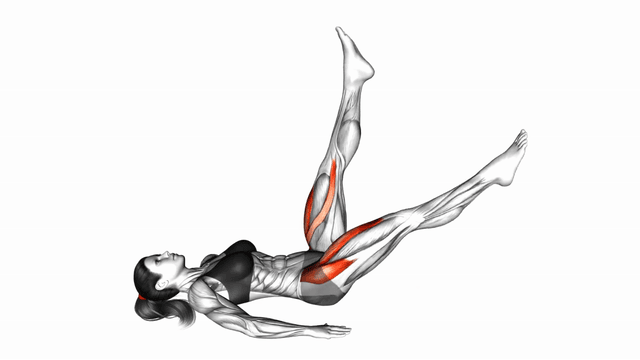
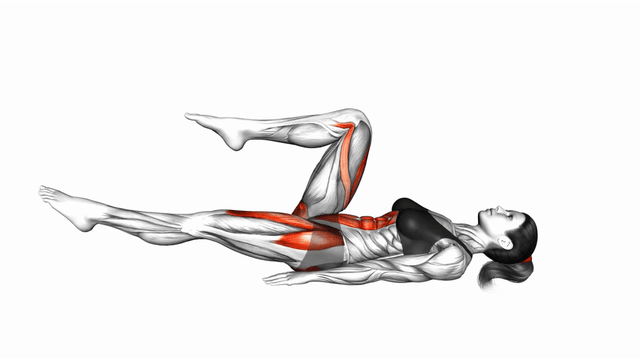
Alternate Leg Raise

Video Thumbnail
Play

Alternate Leg Raise is a gentle, low-impact core exercise for seniors that helps build strength in the lower abdominals, hip flexors, and thighs. A stronger core can support better posture and improve everyday movements like walking, lifting the legs into a car, and standing up from a chair. This at-home exercise requires no equipment and can be done in just a few minutes. Move slowly, stay comfortable, and remember: you don’t need a big range of motion for this lower ab workout for older adults to be effective—small, controlled leg lowers can still improve core stability and steady movement over time.

Quick Summary
Core stability Lower abs Hip flexors No equipment Slow & controlled

Muscles

Lower abdominals, hip flexors, and thighs
These muscles help with core support, steadier walking, easier leg lifting, and smoother movement when standing up or climbing steps.

Difficulty

Easy
Can feel Medium if legs are very straight and lowered far.

Equipment

None
Optional: a small pillow under your head, and a yoga mat or towel for comfort.

Duration

2–3 minutes

This exercise targets the lower abdominals, hip flexors, and thighs—muscles that help support core strength, stability, and smooth leg movements when walking or standing up.

quote

Make sure you’re lying comfortably and feel well-supported before starting. If lifting your legs feels painful, causes sharp pulling in the hip or groin, worsens back pain, or your doctor has advised against this movement, skip it or choose an easier version. Keep breathing calm and steady—never hold your breath. Stop if you feel dizziness, numbness, or pain.

How to do it (step-by-step)

  1. Start position
    Lie on your back on a mat or firm bed. Arms rest by your sides, shoulders relaxed.
  2. Gently engage your core
    Imagine “zipping up” your lower belly (light tension, not hard).
  3. Set your legs
    Start with both legs lifted (or keep knees slightly bent if needed).
  4. Lower one leg slowly
    Lower one leg toward the floor while keeping the other leg up and steady.
  5. Stay comfortable
    Go only as far as comfortable. Stop sooner if your lower back starts to arch.
  6. Lift with control
    Bring the leg back up—no swinging.
  7. Switch sides
    Switch sides and repeat the same slow lower-and-lift.
  8. Keep it smooth
    Continue alternating, keeping your movements smooth and quiet.

Common mistakes (avoid these)

  • Lowering too far and arching the lower back
  • Moving too fast or swinging the leg
  • Tensing shoulders/neck or pushing the head forward
  • Holding your breath
  • Locking the knees hard and causing joint strain (a soft knee is fine)

Reps / sets recommendation

Beginner
6–10 alternating lowers (3–5 per leg) × 1–2 sets
Progress option
8–12 alternating lowers × 2 sets Rest 30–60 seconds between sets

Modifications

Easier
  • Bend both knees (90 degrees) and lower one foot toward the floor, then lift back up.
  • Short range: lower only a few inches—small moves still work.
  • Keep one foot on the floor and lift/lower only the other leg slowly.
Harder (only if pain-free and stable)
  • Keep the legs straighter and lower a bit farther while keeping your back neutral.
  • Add a 1–2 second pause at the lowest comfortable point.
  • Do two slow lowers per side before switching.

Who should avoid / cautions

Doing Alternate Leg Raises regularly can be a simple way for older adults to improve core stability, support the lower back, and strengthen the lower abdominals and hip flexors used in daily life. If your goal is safer movement, steadier walking, and easier leg control, this gentle abdominal exercise for seniors is a great option because it is low impact, equipment-free, and quick to do at home. Keep the motion slow, stay within a comfortable range, and focus on steady breathing. Over time, small improvements in core strength can help you feel more confident with balance, posture, and everyday activities.

For many people, yes—it’s a gentle core exercise for seniors. The key is to move slowly, keep your lower back comfortable, and lower the leg only as far as you can without arching. If you have a back pain flare, recent surgery, or medical restrictions, choose the easier version or ask your clinician.

That usually means the leg is lowering too far. Make the movement smaller, bend your knees, or keep one foot on the floor. A comfortable back position is more important than how low the leg goes in this gentle ab exercise.

Yes, many older adults prefer a bed for comfort. A firmer surface can feel more supportive, but a bed is fine if you can control the movement and keep your back comfortable. This still counts as an effective at-home core workout for seniors.

A good starting point is 2–4 times per week, with rest days as needed. Start with fewer reps and build gradually. Consistency matters most for improving core strength, hip flexor strength, and steadier walking.

This exercise works the lower abdominals and trains core stability, while also strengthening the hip flexors and thigh muscles. These are important muscles for lifting the legs, walking, and getting up safely.

What seniors say

“Simple and gentle on my body.”
Ruth
Age 68 • Beginner
“I like this alternate leg raise because it’s a calm core exercise for seniors. I keep the movement small and still feel my lower abs working.”
“Helps me feel steadier when I walk.”
David
Age 73 • 3× per week
“This at-home core workout for older adults is easy to follow. Moving slowly helps my hip flexors and makes my legs feel more controlled.”
“No equipment and only a few minutes.”
Marina
Age 61 • Short daily routine
“I prefer no equipment exercises. I do this gentle ab exercise for 2–3 minutes and focus on steady breathing.”
“Clear steps—easy for me to remember.”
Helen
Age 76 • Likes simple instructions
“The step-by-step format makes this lower abdominal exercise for seniors feel safe. I stop before my back arches, and that works well for me.”
“Great gentle core work without strain.”
Michael
Age 70 • Returning to exercise
“I wanted a low-impact core exercise for seniors. The alternate leg raise feels controlled, and my core stability is improving week by week.”
“Helps my hips feel less stiff.”
Anita
Age 66 • Morning mobility
“Doing this hip flexor exercise at home feels good. It’s a gentle way to work the thighs and support easier walking.”
“The breathing tip makes it easier.”
George
Age 74 • Focus on form
“When I breathe out on effort, this gentle core workout feels smoother. I keep my back comfortable and lower only a little.”
“A safe starter exercise for the core.”
Sofia
Age 63 • Beginner • Small range
“I was nervous about ab exercises, but this senior-friendly core exercise is gentle. The lower abs and hip flexors get stronger without rushing.”

Maintaining Independence Through Daily Movement

The ability to move freely and confidently isn't just about fitness—it's about living life on your own terms. Strength and balance exercises for older adults directly support the activities that matter most: getting dressed without assistance, carrying groceries, playing with grandchildren, or simply walking through your home safely. Regular training helps preserve the muscle mass and coordination that decline naturally with age, but the good news is that these changes aren't inevitable. Even modest effort makes a difference. Simple resistance movements using elastic bands or light weights can rebuild strength in arms and legs, while chair-supported exercises improve stability and reduce fear of falling. Many elderly individuals discover that just 20-30 minutes of focused movement three times per week helps them feel stronger, steadier, and more capable in their daily routines.

Creating Your Personal Exercise Plan

You don't need a complicated routine to see results. Start by identifying which activities feel challenging—maybe standing from a seated position in your armchair, or maintaining balance while reaching. Then choose exercises that target those specific movements. Consistency beats intensity every time, and progress happens gradually. Whether you're working on leg strength, upper body mobility, or core stability, each session builds the foundation for a more active and independent lifestyle.
Leave A Reply

Your email address will not be published. Required fields are marked

Post A Comment right

© SenMate. All Rights Reserved by SenMate