preloader

SenMate

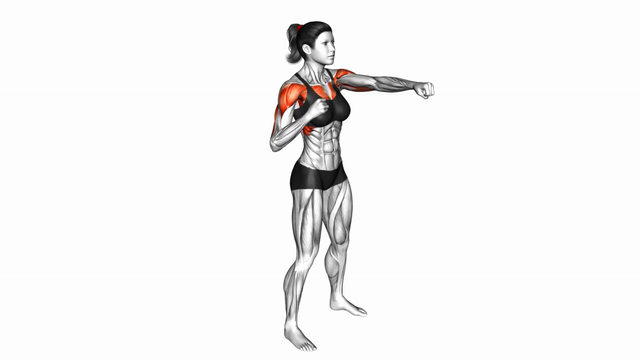
Alternate Punching

Alternate Punching exercise video thumbnail
Play

Alternate Punching is a gentle upper body exercise for seniors that helps improve shoulder mobility, arm strength, and core engagement with an easy, steady rhythm. It’s a simple at-home workout for older adults that can support everyday actions like reaching, lifting light items, and keeping a more upright posture. This movement can also improve coordination and help you feel more confident with day-to-day arm and shoulder use. Keep it comfortable—there’s no need to punch hard or fast. Small, controlled punches can still build strength over time.

Quick Summary
Upper-body strength Shoulders & arms Posture & coordination No equipment Gentle rhythm

Muscles

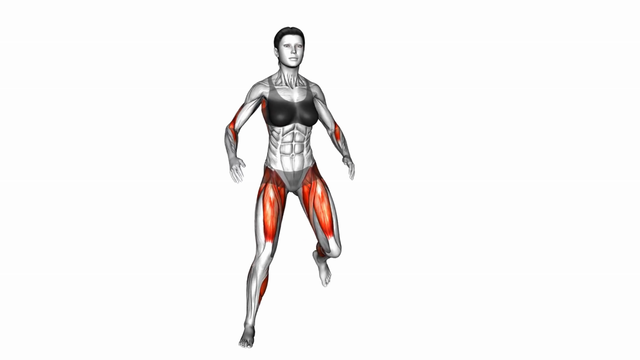
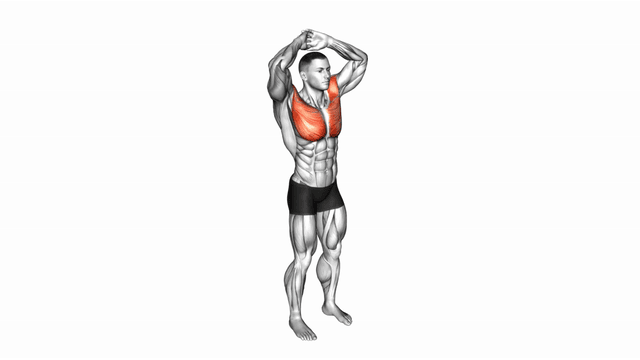
Shoulders, chest, arms, and core
These muscles support easier reaching, lifting, turning, and better posture—useful for everyday tasks like carrying light bags, opening doors, and getting dressed.

Difficulty

Easy
Can feel Medium if you punch too high, too fast, or add a strong twist.

Equipment

None
Optional: a sturdy chair nearby for balance, or do the easier seated version.

Duration

1–2 minutes

This exercise works the shoulders, chest, arms, and core—helping to improve upper body strength, coordination, and posture for everyday actions like reaching, lifting, and turning.

quote

Start only if you feel stable and comfortable. If you have shoulder or arm pain, dizziness, or if your doctor has advised against upper body movements, please skip this exercise or choose the seated version. Keep your punches gentle and below shoulder height if needed. Breathe steadily—it will help you stay relaxed and keep a smooth rhythm. Stop right away if you feel pain, numbness, sharp discomfort, or shortness of breath.

How to do it (step-by-step)

  1. Stand tall and stable
    Stand with feet hip-width apart and knees softly bent. Keep a chair nearby if you want support.
  2. Bring hands to chest level
    Hold your hands in front of your chest with elbows bent and shoulders relaxed (no shrugging).
  3. Engage your core gently
    Tighten your belly lightly, as if bracing for a gentle tap—stay relaxed, not rigid.
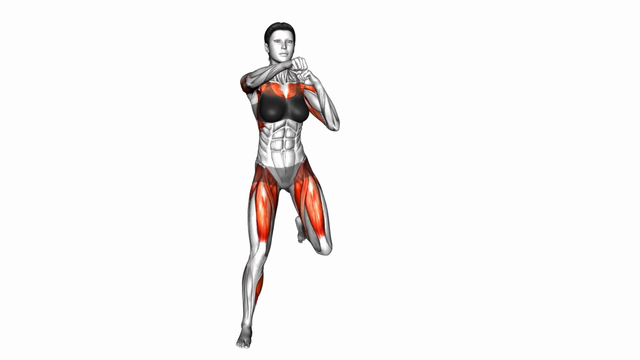
  4. Punch forward with one arm
    Extend one arm forward at a comfortable height (often chest height). Keep the elbow soft—do not lock it.
  5. Return smoothly
    Bring the arm back to your chest and immediately punch forward with the other arm.
  6. Keep a gentle rhythm
    Alternate arms at a steady pace. You don’t need speed—smooth control is the goal.
  7. Breathe and stay relaxed
    Breathe out as you punch, breathe in as you return. Keep shoulders down and neck relaxed.
  8. Finish safely
    Slow down for the last few punches, then rest your arms. Shake them gently and take a few calm breaths.

Common mistakes (avoid these)

  • Punching too hard or too fast (gentle and controlled works best)
  • Locking the elbows at the end of the punch
  • Shrugging shoulders up toward the ears or tensing the neck
  • Twisting the body too strongly or losing balance
  • Holding your breath instead of breathing steadily

Reps / sets recommendation

Beginner
20–40 gentle punches total (10–20 per arm) × 1–2 sets
Progress option
45–90 seconds of continuous alternating punches × 2 sets Rest 30–60 seconds between sets

Modifications

Easier
  • Do it seated: sit tall in a sturdy chair and punch gently at chest height.
  • Smaller punches: extend only partway and keep the pace slow.
  • Hold the chair back lightly with one hand, and punch slowly with the other (then switch).
Harder (only if pain-free and stable)
  • Add a gentle torso turn with each punch (small twist, feet stay planted).
  • Increase time slowly: add 10–15 seconds per set while keeping good form.
  • Raise the arms slightly higher only if shoulders feel comfortable (never force height).

Who should avoid / cautions

Doing Alternate Punching regularly can help older adults improve upper body strength, shoulder mobility, and posture — skills that matter for reaching, lifting, and everyday arm movements. This low-impact exercise for seniors is simple, requires no equipment, and can be done at home in just a minute or two. Keep the pace comfortable, breathe steadily, and focus on smooth, controlled punches. Over time, small improvements in coordination and core engagement can support safer movement and more confidence in daily activities.

For many people, yes—this can be a gentle upper body exercise for seniors. Keep punches light, stay below shoulder height if needed, and choose the seated version if balance is a concern. Skip it if you have shoulder pain flare or medical restrictions.

Make the punches smaller, lower your hands to chest height, slow down, and relax your shoulders. Never lock the elbow. If pain continues, stop and choose a different senior-friendly workout that feels comfortable.

Yes. Seated punching is a great chair exercise for seniors. Sit tall, keep your feet flat, and punch gently at chest height while breathing steadily.

Start with 30–60 seconds, rest, then repeat once more. You can build up to 1–2 minutes total. This is a simple at-home upper body workout for older adults, and short sessions are enough.

It works the shoulders, chest, arms, and lightly engages the core for posture and stability—helpful for reaching, lifting, and daily movement.

What seniors say

“Gentle on my shoulders, but I still feel stronger.”
Evelyn
Age 71 • Beginner
“This alternate punching is a simple upper body exercise for seniors. I keep it slow and my arms feel more active without strain.”
“Helps my posture when I’m standing and walking.”
Frank
Age 67 • 4× per week
“I like this low-impact workout for older adults. It gently works my shoulders and core, and I feel taller after it.”
“No equipment, easy to do at home.”
Nina
Age 79 • Short daily routine
“I prefer no equipment exercises. This at-home upper body workout fits my routine and keeps my arms moving gently.”
“The seated version is perfect for me.”
Patricia
Age 64 • Prefers chair exercises
“As a chair exercise for seniors, this is simple. I punch at chest height and it helps my arm strength and coordination.”
“Good gentle movement for stiff shoulders.”
Walter
Age 75 • Morning mobility
“This shoulder mobility exercise for seniors feels safe when I keep it slow. My chest and arms feel warmer afterward.”
“Easy rhythm, and the breathing helps me relax.”
Lydia
Age 69 • Focus on breathing
“When I breathe steadily, this gentle exercise for seniors feels smoother. It’s a nice way to work the upper body without rushing.”
“Helps my coordination—simple but effective.”
Omar
Age 62 • Gentle pace
“This coordination exercise for older adults is easy to follow. Alternating arms keeps my mind and body working together.”
“A great warm-up before my daily walk.”
Caroline
Age 77 • Beginner
“I do 1 minute of alternate punching as a senior-friendly warm-up. It wakes up my shoulders and helps my posture before I go out.”

Chair Exercises: Fitness Without Leaving Your Seat

Not everyone feels comfortable with standing workouts, and that's perfectly fine. Seated exercises for seniors offer a safe and effective way to stay active while reducing the risk of falling or losing balance. Using a sturdy chair or armchair, you can work on strength, flexibility, and even cardiovascular health without needing to get down on the floor. These movements are ideal for elderly individuals with limited mobility, joint concerns, or those who simply prefer the added security of sitting. From arm raises with light resistance bands to seated marches that boost circulation, chair-based training delivers real results. You can target specific muscle groups—shoulders, legs, core—all while maintaining proper posture and control. The convenience factor matters too: you can do these exercises while watching TV, listening to music, or during a quick break in your day.

Making Chair Workouts Part of Your Routine

Start with 5-10 minutes of seated movements and gradually extend your sessions as you build stamina. Focus on exercises that mirror daily activities—reaching overhead strengthens the muscles you use when putting away dishes, while seated leg extensions help with standing up from chairs. Combining these movements with occasional standing balance work creates a well-rounded fitness approach that supports independence and quality of life at any age.
Leave A Reply

Your email address will not be published. Required fields are marked

Post A Comment right

© SenMate. All Rights Reserved by SenMate