SenMate – Smart Support and Warm AI Friend for Seniors
Best Mobile App Gift for Older Adults in 2026!
SenMate is a gentle mobile app created especially for seniors and older adults (50+, 60+, 70+), offering daily support, friendly AI chat, simple reminders, and easy daily tasks for mind and body in a calm and comfortable digital space. Inside you’ll find 6,000+ general knowledge facts, 2,000+ lifehacks for everyday use, easy-to-read Articles about Medicine & Health , soothing Audio Meditations, Brain Games and Quizzes, a clear Weather Report, a Daily Horoscope, and simple World Wide News Headlines. Almost everything in SenMate can be either read in large text or listened to as clear spoken audio, depending on what feels easier for you. and many other features...
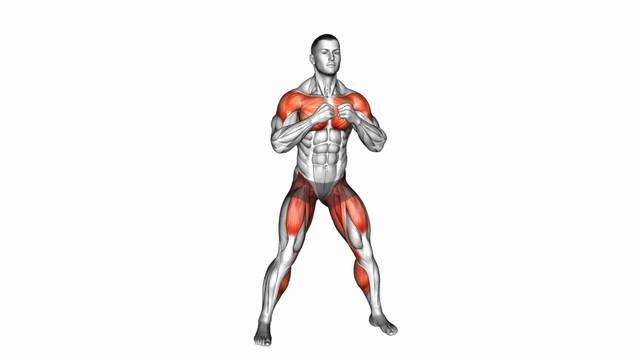
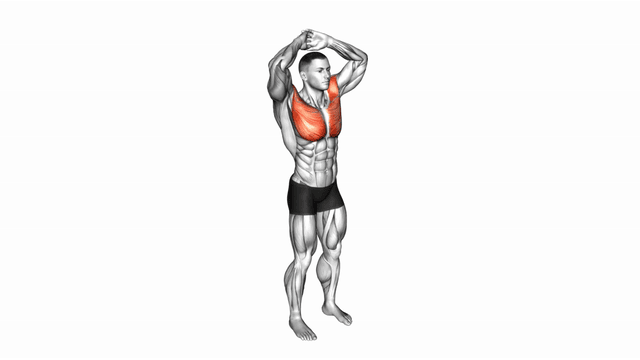
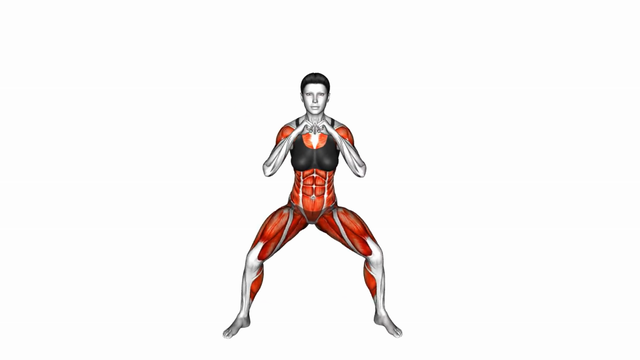
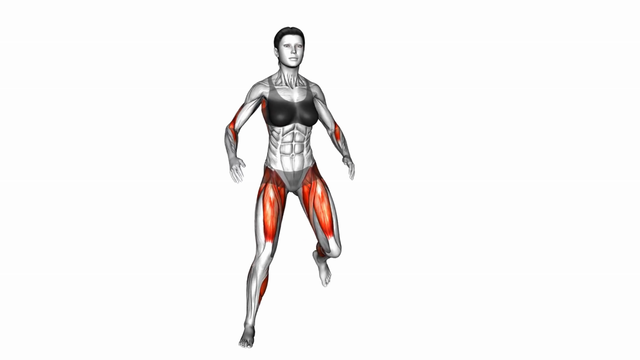
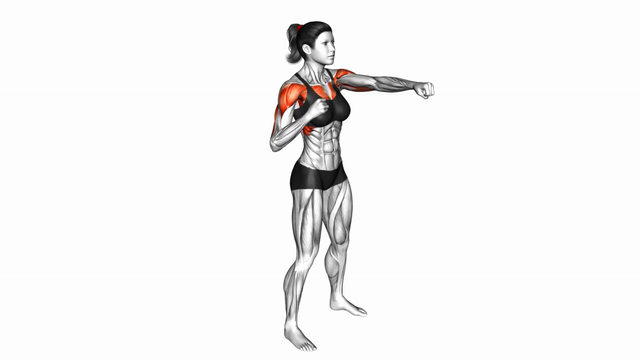
MusclesHamstrings, quadriceps, glutes, calves, shoulders, chest, triceps, and core
Play
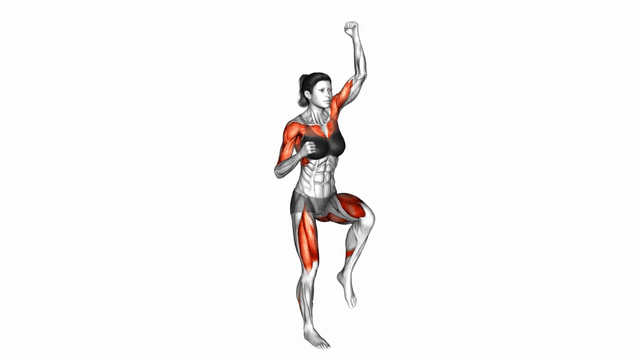
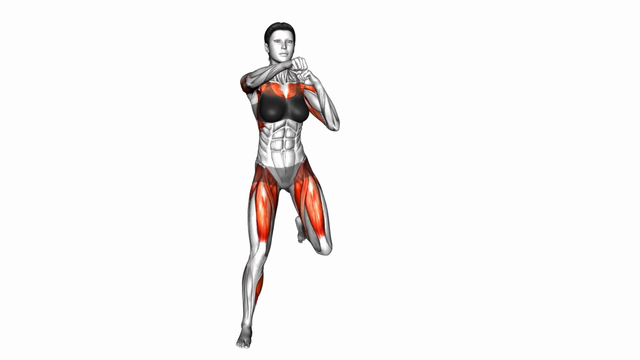
Alternating Hamstring Curl with Punch is a gentle standing exercise for seniors that combines an easy leg curl with a light forward punch. It helps train leg strength, upper body strength, and balance and coordination in one simple movement. The hamstring curl works the back of the thighs and glutes (useful for walking and stairs), while the punch engages the shoulders, chest, and arms (useful for reaching and daily tasks). Move slowly, stay steady, and remember: you can keep the range of motion small and still benefit from this low-impact workout for older adults.
Hamstrings, quadriceps, glutes, calves, shoulders, chest, triceps, and core
These muscles support safer walking, steadier standing, easier stairs, and stronger reaching—helpful for daily life and posture in older adults.
Difficulty
Medium
Can feel Easy if you hold a chair for balance and keep the movements small.
Equipment
None
Optional: a sturdy chair or counter for light support (recommended for balance).
Duration
2–3 minutes
This exercise engages the hamstrings and glutes during the curl, quadriceps and calves for leg stability, shoulders and chest for the punching motion, triceps for arm extension, and core muscles for maintaining balance and coordination.
Stop immediately if you feel pain or discomfort in your shoulders, knees, or lower back. Avoid this exercise if you have medical restrictions on dynamic arm or leg movements. For extra safety, stand near a wall, counter, or sturdy chair. Keep the motion gentle—no fast kicking or forceful punching. Remember to breathe deeply and steadily during the exercise, and stop if you feel dizzy, unsteady, or short of breath.
How to do it (step-by-step)
Set up safely
Stand tall with feet hip-width apart. Keep a chair or counter nearby for balance support.
Bring fists to chest level
Hold fists gently in front of your chest, elbows bent, shoulders relaxed (no shrugging).
Lightly engage your core
Tighten your belly gently to help you stay steady and upright.
Curl one heel toward your glutes
Lift one heel behind you (hamstring curl). Keep knees pointing down and hips steady—no leaning forward.
Punch with the opposite arm
At the same time, extend the opposite arm forward in a gentle punch at chest height. Do not lock the elbow.
Return to start smoothly
Lower the foot back down and bring the punching arm back to your chest—slow and controlled.
Switch sides
Curl the other heel and punch with the opposite arm. Alternate sides in a steady rhythm.
Keep breathing and stay calm
Breathe out on the punch/curl, breathe in as you return. Finish with a few relaxed breaths.
Breathing tip
Breathe out on effort, breathe in on return.
Common mistakes (avoid these)
Moving too fast and losing balance (slow is safer and more effective)
Leaning forward or arching the lower back during the curl
Locking the elbow at the end of the punch
Letting the knee swing forward instead of keeping it pointing down
Holding your breath or tensing the shoulders and neck
Reps / sets recommendation
Beginner
6–10 alternating reps per side × 1–2 sets
Progress option
10–14 alternating reps per side × 2 sets
Rest 30–60 seconds between sets
Tip for seniors
Use a chair for support if needed. Staying steady is more important than lifting the heel high or punching far.
Modifications
Easier
Hold a chair or counter with one hand for balance (recommended for many older adults).
Do only the hamstring curl (no punch) until you feel steady, then add the punch later.
Keep the curl low: lift the heel only a little and slow the pace.
Harder (only if pain-free and stable)
Add a 1-second pause at the top of the curl before returning (stay steady).
Increase the set time gradually (add 10–15 seconds per week).
Make the punch a bit longer while keeping shoulders relaxed and the elbow soft.
Who should avoid / cautions
Use extra care or avoid this exercise if you have:
A current knee pain flare, hamstring strain, or calf strain
Recent hip, knee, ankle, or shoulder surgery (or any movement restrictions)
Unsteady balance, frequent dizziness, or recent falls (use a chair or choose a seated option)
Low back pain flare that worsens with standing movement or twisting
Any condition where your doctor limits exertion or dynamic arm/leg movement
If you’re unsure, start with the Easier version holding a chair and keep the movement small, or ask your doctor/physio what is safe for you.
Adding Alternating Hamstring Curl with Punch to your routine can help older adults build leg strength (hamstrings, glutes, calves), improve upper body strength (shoulders, chest, triceps), and practice balance and coordination in a safe, low-impact way. This at-home exercise for seniors needs no equipment and can be done in just a few minutes. Keep the motion smooth and controlled, use a chair for support if needed, and breathe steadily. Over time, stronger legs and better coordination can support safer walking, easier stairs, and more confidence in daily movement.
For many people, yes—when done slowly, with a stable stance and gentle punches. Use a chair for balance support, keep the curl small, and avoid fast movements. If you have knee, shoulder, or low back pain flare, dizziness, recent surgery, or medical restrictions, choose an easier version or ask a clinician.
Stand near a wall, counter, or chair and lightly hold it. Slow down, make the curl smaller, and keep the punch gentle. You can also do only the hamstring curls first until you feel steady.
No. This is a gentle upper body movement. A light punch at chest height is enough to engage the shoulders, chest, and triceps. Focus on control, posture, and breathing.
A good starting point is 2–4 times per week, with rest days as needed. Start with fewer reps and build gradually. Consistency is more important than doing a lot at once.
It trains the hamstrings and glutes during the curl, quadriceps and calves for stability, shoulders and chest for the punch, triceps for arm extension, and the core for balance and upright posture.
What seniors say
“I like how it works my legs and arms together.”
Joan
Age 72 • Beginner
“This standing exercise for seniors feels gentle, and I use a chair for balance.
The hamstring curl wakes up my legs, and the punch keeps my posture upright.”
“Great for balance practice without being intense.”
Stan
Age 66 • 3× per week
“I wanted a low-impact workout for older adults. Going slow helps my core stay steady,
and my legs feel stronger for walking.”
“My hamstrings feel more active, and it’s still gentle.”
Marta
Age 78 • Short daily routine
“This hamstring exercise for seniors is easy to follow.
I keep the curl small and the punch light, and it feels safe.”
“Using the chair makes it comfortable for me.”
Harold
Age 70 • Prefers support
“I hold a chair and do slow curls. It’s a good balance exercise for seniors,
and the gentle punch keeps my shoulders moving.”
“Nice coordination exercise—keeps my mind focused.”
Elaine
Age 63 • Beginner
“Alternating sides is a great coordination exercise for older adults.
I feel my glutes and core working when I stay steady.”
“Good warm-up before I go out for a walk.”
Ibrahim
Age 74 • Gentle pace
“I do this at-home exercise for seniors for a couple of minutes.
My legs feel more awake and my posture feels better.”
“I like that it’s full-body but still low impact.”
Doris
Age 69 • 4× per week
“This is a gentle full body exercise for seniors.
The curls help my hamstrings, and the punch keeps my arms active.”
“Simple steps—easy to remember.”
Pauline
Age 77 • Likes clear instructions
“Curl and punch, then switch—very easy. I keep it slow,
and it feels like a safe standing workout for older adults.”
Improving Balance and Preventing Falls
Falls are a leading cause of injury among older adults, but the right exercises can significantly reduce that risk. Balance training for seniors strengthens the muscles that keep you steady on your feet and improves reaction time when you stumble. Simple practices like standing on one leg while holding a chair for support, or doing seated leg lifts from an armchair, help build the coordination your body needs. These movements don't require special equipment or a gym—just a sturdy surface for safety. As your stability improves, everyday activities like walking on uneven surfaces, reaching for items on high shelves, or turning quickly become easier and safer. Combining balance work with gentle resistance exercises creates a complete approach to maintaining mobility and confidence as you age.
Starting Your Balance Practice
If you're new to balance training, begin with seated exercises that build core strength and leg stability. Hold onto your chair or armchair during standing movements until you feel secure. The goal isn't perfection—it's progress. Even elderly individuals who haven't exercised in years can benefit from starting slowly with just a few minutes daily. Consistency builds the strength and balance that help you stay independent and active for years to come.