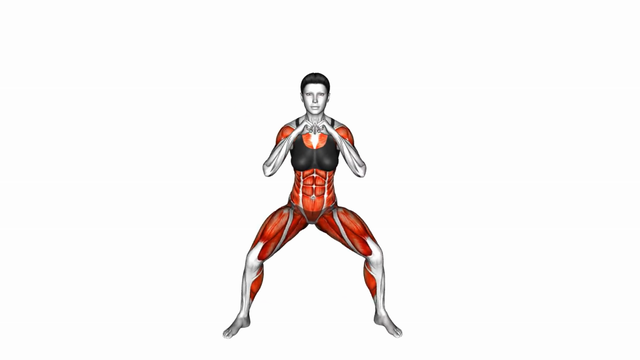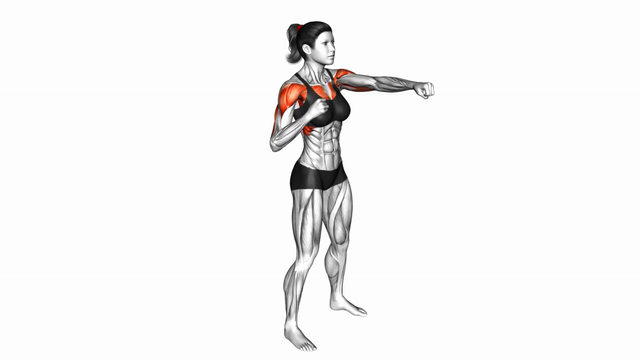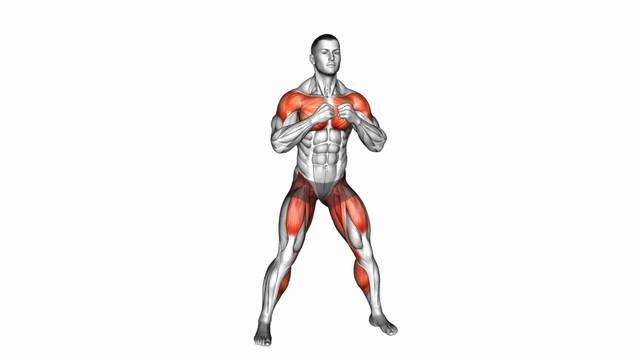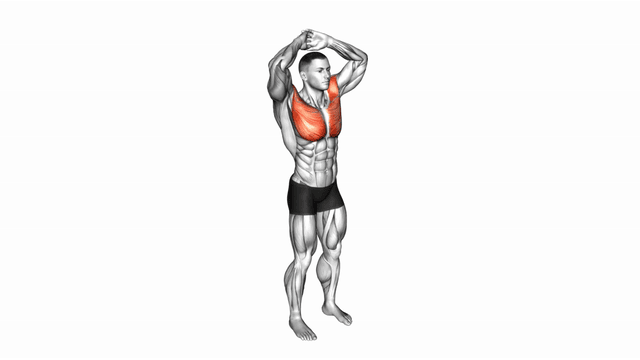











Listen to your body. If anything hurts or feels uncomfortable, stop and rest. If you have any medical restrictions, follow them—and take slow, deep breaths while you move.
Good balance helps you walk with more confidence, move around your home more safely, and stay independent in everyday life. It can make simple things — like getting up from a chair, turning in the kitchen, stepping over a doorstep, or carrying a cup of tea—feel easier and more comfortable. The good news is that stability can improve at any age, even if you’ve felt unsteady for a while. With just a few minutes of gentle daily practice, many older adults notice better control, stronger legs, and more confidence in their steps over time.
Why Daily Balance Practice Matters as We Age
Balance isn’t just “not falling.” It’s your body’s ability to stay upright and controlled while you move—standing up, turning, stepping over a rug, or reaching into a cabinet.
Balance + strength: the stability “team”
Your balance depends on a few systems working together:
- Leg and hip strength (to keep you stable)
- Ankle control (to adjust quickly when you wobble)
- Core support (your “center” helps you stay aligned)
- Coordination and focus (your brain helps guide safe movement)
Small daily training beats occasional long workouts
A short daily routine (even 5–10 minutes) often works better than a long workout once in a while. Regular practice helps your body “remember” the movement patterns that keep you steady.
Safety First Before You Start
Choose the right chair or armchair (and how to set it up)
Use a sturdy chair that does not roll or slide. A firm dining chair is often better than a soft armchair, but a stable armchair can work if it doesn’t wobble.
- Place the chair on a non-slip surface.
- Keep it near a wall or counter for extra support if needed.
- Wear supportive shoes (or go barefoot only if your floor is safe and not slippery).
When to stop
Stop and rest if you feel:
- Dizziness or lightheadedness
- Sharp pain
- Tingling or numbness
- Sudden weakness
- Feeling unsafe or overly unsteady
If symptoms continue, it’s a good idea to speak with a clinician.

Support options
It’s perfectly okay to use support while you build confidence — such as the back of a sturdy chair, a kitchen counter, a wall, or a stable table. Having something solid nearby can help you feel calmer, move more slowly, and focus on good form instead of worrying about slipping. Support is not “cheating.” It’s smart training, and many people gradually rely on it less as their balance and strength improve.
Your 5–10 Minute Daily Balance Routine (At Home)
Try this simple plan: 2 minutes warm-up, 3–5 minutes seated practice (or standing), 2–3 minutes standing balance with chair support, and 1 minute calm breathing.
How often to do it
- For many seniors, daily practice is ideal.
- If you get sore or tired, aim for 3–4 days per week and build up.
Gentle warm-up
- Roll shoulders back 5 times
- March in place (seated or standing) 20–30 seconds
- Ankle circles 5 each direction per foot
Seated Balance Exercises (Chair-Friendly Options)
Seated exercises are excellent for older adults who prefer a safer start. These movements still build coordination, posture, and core control.
Seated weight shifts (left/right, forward/back)
- Sit tall near the front of the chair.
- Slowly shift your weight slightly to the right, then back to center.
- Shift to the left, then back to center.
- Repeat 8–10 times.
Tip: Keep both feet flat. Move slowly and breathe.
Seated marching (core and hip control)
- Sit tall, hold the chair lightly if needed.
- Lift one knee slightly, lower it.
- Lift the other knee, lower it.
- Continue 20–30 seconds.
Heel-toe taps (ankles and coordination)
- Keep heels down and lift toes up 10 times.
- Then keep toes down and lift heels up 10 times.
Strong ankles often mean steadier steps.
Seated posture reset (tall spine for better balance)
- Sit tall like a string is gently lifting the top of your head.
- Relax shoulders down.
- Take 3 slow breaths.

Standing Balance Exercises Using a Chair for Support
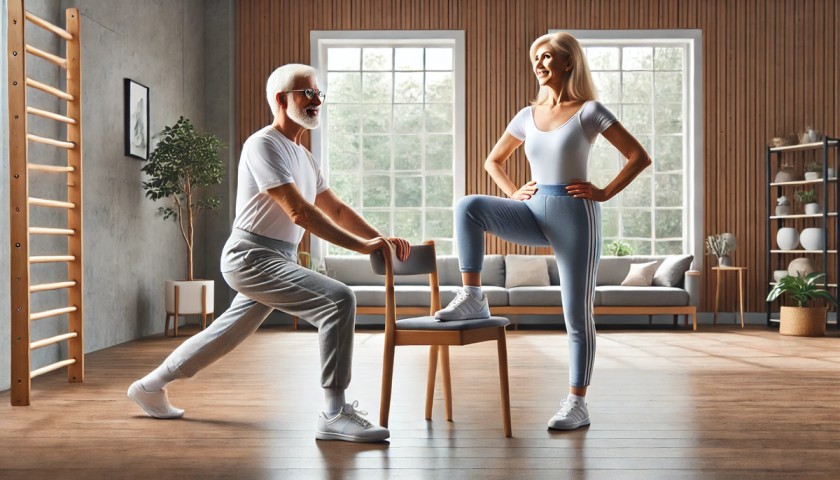
If you’re ready to stand, keep a chair nearby. Start with both hands on the chair back. Over time, move to one hand, then fingertips (only if safe).
Sit-to-stand (key strength move for everyday life)
- Sit near the front of the chair.
- Feet hip-width apart.
- Lean forward slightly and stand up.
- Slowly sit back down.
Do 5–10 repetitions.
Make it easier: Use armrests or a higher chair.
Make it harder: Stand without using hands (only if safe).
Supported single-leg stand (easy progression)
- Hold the chair back.
- Lift one foot just an inch off the floor.
- Hold 5–10 seconds.
- Switch sides.
Goal: Control, not height. Repeat 2–3 times per leg.
Side steps along the chair (hip strength + stability)
- Stand sideways next to a chair or counter.
- Step to the side, bring feet together.
- Take 5–10 steps one way, then back.
Heel raises and toe raises (ankle strength)
- Heel raises: lift heels up, lower down (10 times)
- Toe raises: lift toes up, lower down (10 times)
Add Gentle Resistance for More Strength (Optional)
Once the basics feel comfortable, adding light resistance can help build strength and stability. This can be done with a resistance band or gentle bodyweight control.
Using a light resistance band safely
Choose a light band, start slow, and never force a movement.
Simple resistance ideas
- Seated band leg press: band around foot, gently press forward
- Band side steps: band around ankles or above knees (only if stable)
- Seated knee extensions: extend leg slowly, hold 1 second, lower
How to keep resistance training joint-friendly
- Smooth, slow movements
- No bouncing
- Stop if you feel sharp pain
- Use a comfortable range of motion
Common Mistakes That Can Make Balance Worse
- Holding your breath or rushing: breathing helps you stay calm and controlled.
- Using a wobbly chair: your chair should be stable and non-sliding.
- Looking down the whole time: try keeping your gaze forward when safe.
- Pushing through when you’re too tired: shorter sessions are safer and more effective.
Progress Without Risk: Easy Ways to Level Up
Increase time, not speed
Hold a position for 2 extra seconds, or add 1 extra repetition.
Reduce support gradually
- Two hands on chair
- One hand on chair
- Fingertips
- Hovering hand (only if safe)
Track progress with a simple weekly check
- Can you do sit-to-stand more smoothly?
- Can you hold a supported single-leg stand a little longer?
- Do you feel more confident walking around the house?
When to Talk to a Clinician or Physical Therapist
Balance training is usually safe, but professional guidance is important if you have:
- Recent falls
- New weakness
- Numbness or tingling
- Dizziness episodes
- Recovery after surgery
- Big changes in medications
A Gentle Note About Staying Consistent (Without Pressure)
You don’t have to be perfect. Even a few minutes counts.
- Do your routine after morning tea or coffee
- Practice while watching the news (seated moves)
- Do sit-to-stand before lunch
Bonus: More Guided Workouts in the SenMate App
If you like gentle training at home, SenMate includes hundreds of senior-friendly fitness and balance videos, with clear voice guidance and easy-to-read text instructions. Many routines are chair-based or supported, and you can also find strength and mobility workouts designed for older adults.
Printable Daily Routine (5–10 Minutes)
Use a sturdy chair (or firm armchair) for support. Move slowly, breathe, and stop if you feel dizzy or unsafe.
1. Warm-Up (1–2 minutes)
- Seated or standing march: 30 seconds
- Ankle circles: 5 each direction per foot
- Shoulder rolls: 5 slow rolls
2. Seated Balance (2–3 minutes)
- Seated weight shifts (left/right): 8 times each side
- Seated marching: 20–30 seconds
- Heel-toe taps: 10 toe lifts + 10 heel lifts
3. Standing Balance with Chair Support (2–4 minutes)
(Hold the chair back with both hands if needed.)
- Sit-to-stand: 5–10 reps
- Supported single-leg stand: 5–10 seconds each leg (2 rounds)
- Side steps along the chair/counter: 5 steps each direction
- Heel raises: 10 reps
4. Cool-Down + Breathing (30–60 seconds)
- Sit tall, relax shoulders, and take 3 slow deep breaths.
- Gently shake out ankles and legs if that feels good.
Simple Weekly Progress (Optional)
Pick one small upgrade each week:
- Add +1 rep to sit-to-stand, or
- Add +2 seconds to your supported single-leg stand, or
- Use one hand on the chair instead of two (only if safe).

Keep It Simple and Stay Consistent
Improving balance doesn’t require long workouts or complicated routines. A few minutes of gentle daily practice—using a chair or doing seated options when needed—can help you feel steadier, stronger, and more confident over time. The key is to move slowly, focus on good posture, and choose exercises that feel safe for your body today.
Small Steps Add Up to Real Stability
As your legs, hips, ankles, and core get stronger, everyday movements often start to feel easier—standing up from a chair, walking around the house, and turning without feeling wobbly. If you stay consistent and progress gradually, your balance training can become a simple habit that supports your independence and helps you feel more secure on your feet.
Extra Support When You Want Guided Practice
If you prefer following along with clear instructions, SenMate can be a helpful companion. Inside the SenMate app you’ll find senior-friendly routines—including chair-based balance practice, gentle strength training, and mobility workouts—with easy-to-read text and calm voice guidance, so you can keep building stability at home in a comfortable way.