SenMate – Smart Support and Warm AI Friend for Seniors
Best Mobile App Gift for Older Adults in 2026!
SenMate is a gentle mobile app created especially for seniors and older adults (50+, 60+, 70+), offering daily support, friendly AI chat, simple reminders, and easy daily tasks for mind and body in a calm and comfortable digital space. Inside you’ll find 6,000+ general knowledge facts, 2,000+ lifehacks for everyday use, easy-to-read Articles about Medicine & Health , soothing Audio Meditations, Brain Games and Quizzes, a clear Weather Report, a Daily Horoscope, and simple World Wide News Headlines. Almost everything in SenMate can be either read in large text or listened to as clear spoken audio, depending on what feels easier for you. and many other features...
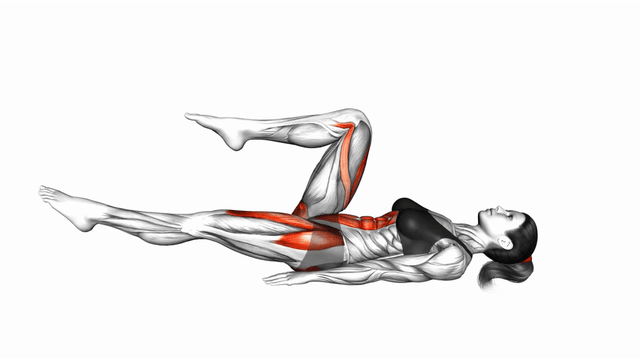
90 Degrees Single Knee Crunch is a gentle core exercise for seniors that works the abdominals while also training the hips and thighs. Because your legs start lifted at 90 degrees, it encourages steady core engagement and helps support posture and control for daily activities like sitting up, getting out of bed, or lifting a leg to step over a small obstacle. The goal is not to crunch high—small, comfortable movement with calm breathing is enough.
This movement strengthens the abdominal muscles, hip flexors, and thighs—supporting core stability and easier daily actions like sitting up, lifting a leg, or maintaining a tall posture.
Difficulty
Easy
Keep the movement small and smooth. Stop if you feel strain in the neck or lower back.
Equipment
None
Optional: place a small pillow under your head or do the easier chair/armchair version in the modifications section.
Duration
30–60 seconds total
This exercise targets the abdominals, hips, and thighs—helping support posture, core stability, and comfortable movement in everyday life.
As always, make sure this exercise is suitable for your health. If your doctor has given you any restrictions, or if the movement causes any strain or discomfort, simply pause or skip it. Breathe deeply and gently as you move—it keeps your body supported and relaxed.
How to do it (step-by-step)
Get into a comfortable position
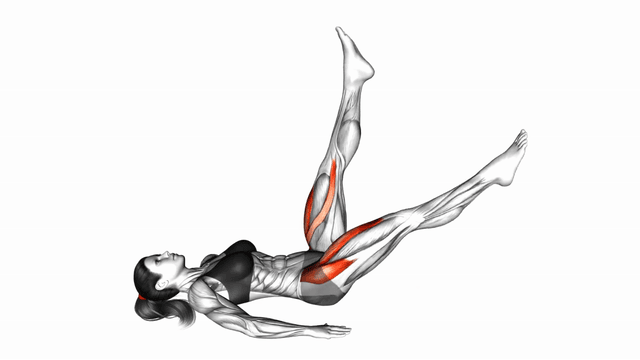
Lie on your back with your knees bent and feet lifted. Bring both knees to a 90-degree angle above your hips.
Set your posture
Relax your shoulders and neck. Keep your lower back comfortable on the floor and let your belly gently tighten.
Place your hands where it feels best
Rest hands lightly behind your head or keep arms by your sides. Avoid pulling on your neck.
Bring one knee in with a gentle crunch
Slowly draw one knee closer to your chest while lifting your shoulders slightly. Keep the movement small and controlled.
Return and switch sides
Lower your shoulders back down and bring the knee back to 90 degrees, then repeat on the other side.
Finish calmly
Do 6–12 total repetitions (3–6 per side). Rest anytime. Gentle effort and steady breathing are the goal.
Breathing tip
Breathe in to prepare, then breathe out slowly as you lift and draw the knee in. Keep the breath gentle and steady.
Common mistakes (avoid these)
Pulling on the neck with the hands
Rushing the motion instead of moving slowly
Crunching too high and straining the neck or shoulders
Letting the lower back arch uncomfortably
Holding your breath during the effort
Reps / sets recommendation
Beginner
6–8 total reps (3–4 per side) × 1 set
Progress option
10–14 total reps (5–7 per side) × 2 sets
Rest 30–60 seconds and keep breathing steady
Tip for seniors
Small, controlled repetitions build core strength safely. If your neck gets tired, keep your head down and focus on the knee movement only.
Modifications
Easier
Keep your head and shoulders down and only move the knee in and out.
Reduce the range of motion and move slower.
Chair option: sit tall in a chair and lift one knee toward your chest, alternating sides.
Harder (only if pain-free)
Pause for 1 second at the top of the crunch to increase core control.
Slow the lowering phase and keep the belly gently engaged.
Add one extra set only if your neck and lower back feel comfortable.
Who should avoid / cautions
Use extra care or avoid this exercise if you have:
New or worsening lower-back pain during abdominal exercises
Neck discomfort that increases when lifting the shoulders
Recent abdominal, hip, or spine surgery
Dizziness or nausea when lying on your back
Any medical advice to avoid core or hip flexor training
If you’re unsure, start with the chair version or keep your head down and use very small movements. Ask your doctor or physio what is safe for you.
Doing 90 Degrees Single Knee Crunch regularly can help older adults build gentle core strength and better control through the hips and thighs. This can support steadier posture, easier sitting up, and more confidence during everyday movement. Keep the repetitions slow, avoid straining the neck, and remember that even small, comfortable crunches can make a difference over time.
For many older adults, yes—when done slowly and without pain. Keep the crunch small, avoid pulling on the neck, and stop if you feel sharp pain, dizziness, or strain in the lower back or hips. If you have medical restrictions, follow your clinician’s advice.
Keep your head and shoulders down and only bring the knee in and out. You can also place a small pillow under your head and focus on slow breathing. The exercise should feel controlled, not strained.
Yes. Sit tall in a sturdy chair or armchair and lift one knee toward your chest, alternating sides. Keep the movement small and steady, and avoid leaning back.
A good starting point is 6–8 total repetitions (3–4 per side) for 1 set. If it feels comfortable, build up to 10–14 total repetitions for 2 sets, resting between sets.
It works the abdominals during the crunch, and the hips and thighs as you hold and move the legs. Together, these muscles support posture, core stability, and everyday movement.
What seniors say
“I can feel my tummy working, but it stays comfortable.”
Evelyn
Age 73 • Gentle pace
“I keep the movement small and focus on breathing.
It helps me feel steadier through my core without strain.”
“The chair option is great on low-energy days.”
Martin
Age 69 • Seated workouts
“Sometimes I do the seated version in my armchair.
It still feels like good training for my hips and tummy.”
“Slow and controlled makes it feel safe.”
Hana
Age 75 • Beginner
“I like that I don’t need to crunch high.
A gentle lift is enough, and I can stop anytime.”
“Helps me practice core control for getting up.”
Daniel
Age 67 • Mobility focus
“After a few weeks, I feel more stable when I sit up.
I do fewer reps and keep my breathing calm.”
“I like the gentle rhythm of alternating legs.”
Patricia
Age 71 • Daily routine
“Switching legs keeps me focused.
It’s a calm way to work the core without any equipment.”
“Breathing out on the lift helps a lot.”
Omar
Age 64 • Focus on breathing
“When I exhale slowly, my stomach engages better.
I keep the movement small and it feels comfortable.”
“Good core exercise without pressure on my back.”
Linda
Age 76 • Careful with back
“I keep my back comfortable and never force it.
If I get tired, I rest and continue later.”
“Small reps still feel effective.”
George
Age 70 • Slow workouts
“I do a few controlled repetitions and stop.
It’s an easy fitness habit for me to keep up with.”
Staying Active After 60 Supports Everyday Independence
Regular exercise helps older adults stay independent by supporting strength, balance, and steady movement in daily life. A simple routine that mixes gentle core work, leg and hip training, and light mobility can make everyday tasks feel easier—standing up from a chair, climbing steps, carrying groceries, or keeping good posture while walking. The best workouts are the ones you can do consistently and safely, whether standing or seated in a chair or armchair. Adding a little resistance training with body weight or a band can help maintain muscle, while balance exercises help reduce fall risk and build confidence.
Simple Senior Fitness Habits That Add Up
Even short sessions count. A few minutes of senior-friendly workouts several times per week can improve circulation, joint comfort, and overall fitness. Chair exercises are useful on low-energy days, and gentle training on the floor can build core control that supports the back and hips. Over time, mixing strength, balance, and light resistance work creates a strong foundation for healthy aging—helping elderly adults move with more stability, comfort, and confidence.