SenMate – Smart Support and Warm AI Friend for Seniors
Best Mobile App Gift for Older Adults in 2026!
SenMate is a gentle mobile app created especially for seniors and older adults (50+, 60+, 70+), offering daily support, friendly AI chat, simple reminders, and easy daily tasks for mind and body in a calm and comfortable digital space. Inside you’ll find 6,000+ general knowledge facts, 2,000+ lifehacks for everyday use, easy-to-read Articles about Medicine & Health , soothing Audio Meditations, Brain Games and Quizzes, a clear Weather Report, a Daily Horoscope, and simple World Wide News Headlines. Almost everything in SenMate can be either read in large text or listened to as clear spoken audio, depending on what feels easier for you. and many other features...
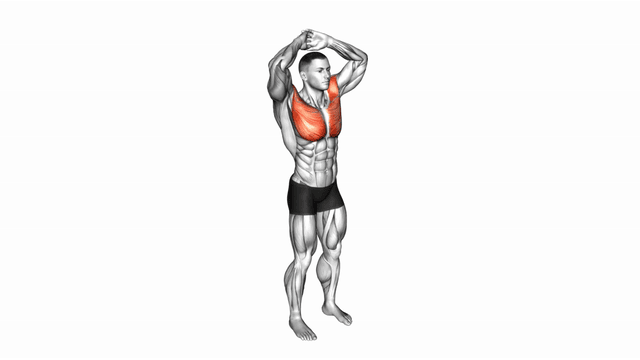
Above Head Chest Stretch is a gentle chest and shoulder stretch for seniors that helps open the front of the body, improve posture, and reduce upper body stiffness from daily habits like sitting, reading, or using a phone. This simple at-home stretch for older adults requires no equipment and can be done in under two minutes. Keep the movement small and comfortable—this is not about forcing a deep stretch. Even a gentle opening through the chest can support easier breathing, a more upright posture, and more comfortable reaching during everyday activities.
These areas affect posture and comfort in daily life—especially for reaching overhead, opening doors, carrying light items, and sitting upright with less tightness.
Difficulty
Easy
Can feel Medium if overhead range is limited—use a smaller version or do one arm at a time.
Equipment
None
Optional: stand near a wall or sturdy chair for balance, or do the stretch seated in a chair.
Duration
1–2 minutes
This gentle stretch focuses on the chest and shoulders—helping to open up the front of your body, improve posture, and relieve stiffness from daily activities like sitting or reaching.
Let’s begin only if this stretch feels right for you. If your doctor has advised against overhead movements, or if anything feels tight, pinchy, or painful, skip this stretch or do a smaller version. Keep the shoulders down (no shrugging), open the chest gently, and never force the elbows back. Breathe slowly and deeply to help your body stay calm and relaxed. Stop right away if you feel sharp pain, dizziness, numbness, or tingling.
How to do it (step-by-step)
Stand comfortably
Stand with feet shoulder-width apart. Keep knees soft and your posture tall. Stand near a chair if you want support.
Lift arms gently
Raise both arms only as high as comfortable. If overhead feels difficult, do one arm at a time.
Choose your hand position
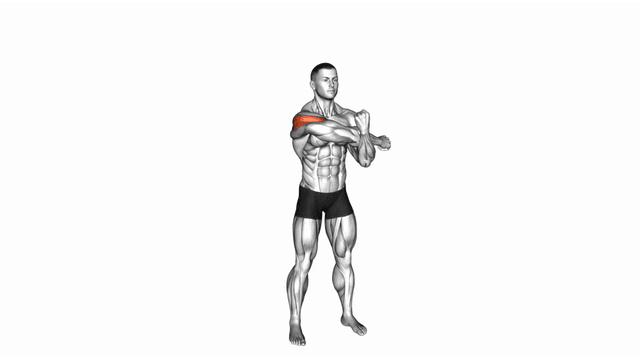
Place hands behind your head, OR hold one elbow with the opposite hand—whichever feels easier.
Keep shoulders relaxed
Let shoulders drop away from your ears. Keep your neck long and your chest gently lifted.
Open the chest slowly
Move elbows slightly back (a small motion). You should feel a gentle stretch across the chest and front shoulders.
Hold and breathe
Hold for 10–20 seconds while breathing slowly and steadily. No bouncing.
Release gently
Bring elbows forward a little, lower arms, and relax. Repeat 1–2 more times if it feels good.
Breathing tip
Breathe out on effort, breathe in on return.
Common mistakes (avoid these)
Forcing the elbows far back (stretch should be gentle, not painful)
Shrugging shoulders up toward the ears or tensing the neck
Arching the lower back to “get more stretch” (keep ribs down and posture tall)
Holding your breath instead of breathing slowly
Bouncing or rushing the stretch (steady hold works best)
Reps / sets recommendation
Beginner
Hold 10–15 seconds × 2 rounds (rest and shake arms gently between rounds)
Progress option
Hold 15–25 seconds × 2–3 rounds
Keep the stretch gentle—never force range
Tip for seniors
A light stretch with calm breathing is enough. Comfort and good posture matter more than stretching far.
Modifications
Easier
Do one arm at a time: place one hand behind your head and keep the other arm relaxed.
Lower position: keep elbows more forward and open the chest only slightly.
Seated version: sit tall in a sturdy chair and do the same gentle chest opening.
Harder (only if pain-free and comfortable)
Hold a bit longer (15–25 seconds) while keeping the stretch gentle and shoulders relaxed.
Add a tiny “lift tall” cue: grow taller through the spine before opening elbows back slightly.
Repeat one extra round (3 rounds total) instead of pushing deeper.
Who should avoid / cautions
Use extra care or avoid this stretch if you have:
Shoulder pain flare, rotator cuff injury, frozen shoulder flare, or recent shoulder/arm surgery
Neck pain that worsens when arms go overhead
Numbness, tingling, or sharp pain in the arm/hand during overhead position
Recent chest, upper back, or rib injury/surgery (or you’re under movement restrictions)
Any medical condition where your clinician has limited overhead movements
If you’re unsure, try the Easier one-arm or seated version, or ask your doctor/physio what range is safe for you.
Doing the Above Head Chest Stretch regularly can help older adults reduce tightness across the chest and front shoulders, which often supports better posture and more comfortable everyday movement. This gentle stretch for seniors is simple, equipment-free, and easy to add to a daily routine—especially if you spend time sitting, reading, or using screens. Keep the stretch light, breathe slowly, and stay in a comfortable range. Over time, small improvements in chest and shoulder mobility can make reaching and standing tall feel easier and more relaxed.
For many people, yes—when it’s done gently and without pain. Keep shoulders relaxed, move slowly, and avoid forcing the elbows back. If your doctor has limited overhead movement or you have shoulder/neck pain, choose a smaller version or do one arm at a time.
Try the easier option: do one arm at a time, or keep elbows more forward and open the chest only slightly. You can also do the stretch seated in a chair. A small, comfortable range is still helpful.
A good starting point is 10–15 seconds per hold, repeated 2 times. If you feel comfortable, build up to 15–25 seconds. The stretch should feel gentle—never sharp or pinchy.
Yes, many seniors can do gentle chest and shoulder stretching daily. Keep it comfortable, avoid pain, and stop if symptoms worsen. Consistency is more important than pushing deeper.
This stretch focuses on the chest and shoulders, helping open the front of the body. That can support better posture and reduce stiffness from sitting or hunching forward.
What seniors say
“My chest feels more open after just one round.”
Diane
Age 72 • Gentle stretching
“This chest stretch for seniors is calming. I keep the movement small and it still helps my posture feel better.”
“Great for shoulder stiffness from sitting.”
Harold
Age 69 • Daily routine
“I sit a lot, so this shoulder stretch for older adults feels helpful. I breathe slowly and don’t force anything.”
“Simple instructions—easy to follow.”
Teresa
Age 77 • Beginner
“I like easy stretches for seniors. Holding one elbow gently makes the chest opening stretch feel safe and comfortable.”
“The one-arm version works best for me.”
Samuel
Age 63 • Smaller range
“I do one arm at a time and it still feels like a good upper body stretch for seniors. No pain, just gentle movement.”
“Helps me stand taller.”
Gloria
Age 74 • Posture focus
“This posture stretch for older adults makes my shoulders feel less rounded. I keep my breathing slow and relaxed.”
“Nice, gentle stretch before bedtime.”
Carlos
Age 70 • Evening stretch
“I do this gentle stretching for seniors at night. It helps my chest feel looser and my breathing feels easier.”
“Perfect as a quick warm-up.”
Linda
Age 66 • Before walking
“This shoulder mobility stretch for seniors is a good warm-up. Just 1–2 minutes and I feel more comfortable moving.”
“I like that it doesn’t need equipment.”
Bruce
Age 79 • At-home stretching
“I prefer at-home stretches for seniors with no equipment. This one is simple, and I can keep it very gentle.”
Building Strength Safely at Any Age
Many older adults worry that strength training might be too intense or risky, but the opposite is true. Resistance exercises for seniors are one of the most effective ways to combat age-related muscle loss and maintain bone density. You can start with simple seated movements using light weights, resistance bands, or even household items like water bottles. The beauty of chair exercises is that they provide stability while still challenging your muscles. Whether you're working on arm strength to lift groceries, leg strength for climbing stairs, or core stability for better balance, each movement contributes to greater independence. Regular training sessions — even just 15-20 minutes twice a week — can make a noticeable difference in how you feel during everyday activities.
Getting Started with Safe Strength Training
Begin with movements that feel comfortable and gradually increase repetitions as you build confidence. Elderly individuals often see the best results when they focus on proper form rather than heavy resistance. Using an armchair for support during standing exercises adds an extra layer of safety, especially when working on balance and coordination. Remember, progress happens over weeks and months, not days — consistency matters more than intensity.