preloader

SenMate

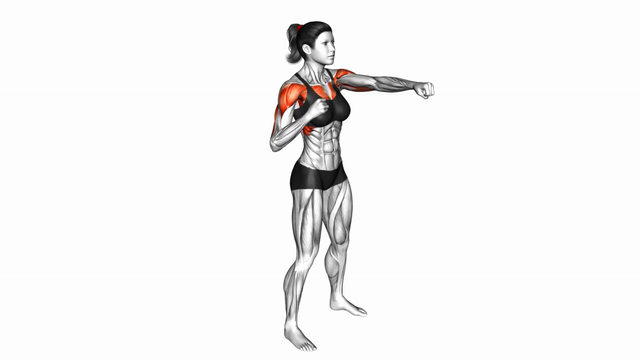
Alternating Hamstring Curl with Punch

Alternating Hamstring Curl with Punche
Play

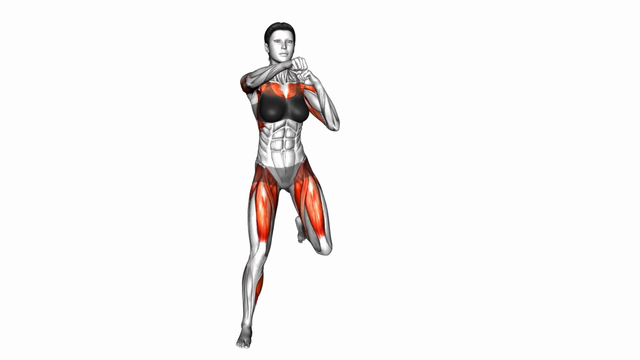
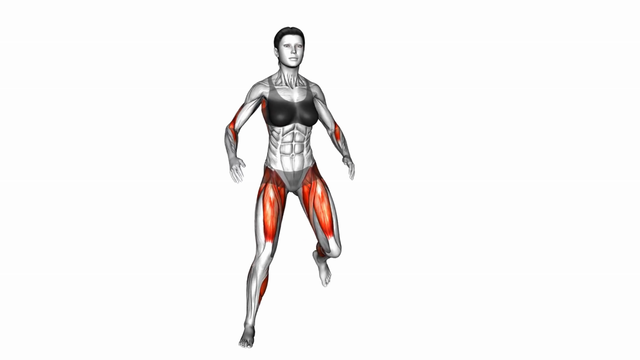
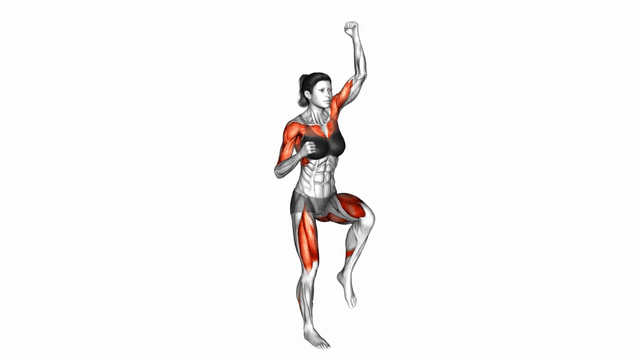
Alternating Hamstring Curl with Punch is a simple standing exercise for seniors that combines gentle leg strength with light upper-body movement. You curl one heel toward your glutes while punching forward with the opposite arm. This helps train coordination, balance, and posture while keeping the pace slow and controlled. If you prefer extra stability, you can do it next to a sturdy chair or an armchair and keep the punches smaller.

Quick Summary
Balance & coordination Hamstrings & glutes Chest, shoulders & arms No equipment Slow & controlled

Muscles

Hamstrings, quadriceps, glutes, calves, chest, shoulders, arms, and core
The hamstrings and glutes work during the curl, while the quadriceps and calves help keep you steady. The chest, shoulders, and arms work during the punch, and the core supports posture and balance.

Difficulty

Easy to Medium
Feels easier with a chair for support and smaller punches. Go at a pace you can fully control.

Equipment

None
Optional: stand next to a sturdy chair or armchair for balance support.

Duration

2–3 minutes

This exercise combines a gentle hamstring curl with an easy punch to support leg strength, posture, and balance in older adults.

quote

If you feel pain or discomfort in your shoulders, back, or knees, stop immediately. Avoid this exercise if you have medical restrictions. Remember to breathe deeply and steadily during the movement. For extra safety, stand near a chair and keep the punches small and controlled.

How to do it (step-by-step)

  1. Set your stance
    Stand tall with feet hip-width apart. If needed, stand next to a chair and lightly hold it with one hand.
  2. Bring hands to a light guard
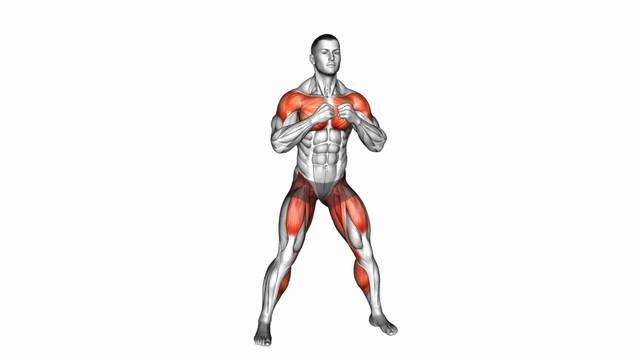
    Keep hands in front of your chest, shoulders relaxed, chin level, and posture upright.
  3. Curl one heel back
    Bend one knee and bring the heel toward your glutes. Keep knees close together and avoid leaning forward.
  4. Punch with the opposite arm
    At the same time, extend the opposite arm forward in a gentle punch. Keep it smooth—no snapping the elbow.
  5. Return with control
    Bring the foot back down and return the hand to guard. Move slowly so you stay steady.
  6. Switch sides
    Curl the other heel back and punch with the opposite arm. Keep your rhythm even and comfortable.
  7. Continue alternating
    Repeat for 2–3 minutes or the recommended reps. Stop early if you feel unsteady, short of breath, or any pain.

Common mistakes (avoid these)

  • Leaning forward or arching the lower back during the curl
  • Moving too fast or swinging the leg instead of controlling the motion
  • Locking the standing knee hard (keep it softly bent)
  • Tensing shoulders or punching too forcefully
  • Holding your breath instead of breathing steadily

Reps / sets recommendation

Beginner
6–10 alternating curls and punches (3–5 per side) × 1–2 sets
Progress option
8–12 alternating curls and punches × 2 sets Rest 30–60 seconds between sets

Modifications

Easier
  • Hold a chair or armchair with one hand for better balance.
  • Skip the punch at first—just do slow hamstring curls.
  • Make the range smaller: curl only part-way and keep the punch short.
Harder (only if pain-free and stable)
  • Pause 1–2 seconds at the top of the curl before returning.
  • Keep the punches slightly longer while staying relaxed in the shoulders.
  • Do two slow curls per side before switching (still controlled, no rushing).

Who should avoid / cautions

Doing the Alternating Hamstring Curl with Punch regularly can help older adults build leg strength, improve balance, and practice steady coordination in a safe, low-impact way. It’s a great option for elderly fitness at home because it needs no equipment and can be done next to a chair for support. Keep your posture tall, move slowly, and breathe steadily. Small, controlled reps are more beneficial than fast movement—and over time, this kind of gentle training can support more confident walking, standing up, and everyday stability.

For many older adults, yes—when done slowly and without pain. Stand near a chair for balance, keep the punch gentle, and stop if you feel knee, back, or shoulder discomfort.

Hold a chair or armchair with one hand, make the punches smaller, and slow down the movement. You can also skip the punch and do only the hamstring curls until you feel more stable.

This movement is usually done standing, but you can adapt it by doing seated punches and seated knee bends (small curls) for a safer seated routine. If standing is okay, holding a chair is the best option.

A good starting point is 3–5 days per week. Keep it short (2–3 minutes) and focus on steady balance, good posture, and comfortable movement.

It works hamstrings and glutes during the curl, and chest, shoulders, and arms during the punch. Your core and calves help you stay steady and balanced.

What seniors say

“I feel steadier when I walk.”
Diana
Age 73 • Balance focus
“I do it next to my chair and keep the punches small. My legs feel warmer and my balance feels more confident.”
“Easy to follow and not stressful.”
Michael
Age 67 • Beginner
“The slow rhythm helps me stay in control. I like that it works legs and arms together without needing equipment.”
“Great for my posture.”
Mei
Age 75 • Gentle training
“When I keep my chest lifted and breathe steadily, everything feels smoother. It’s a nice little full-body movement.”
“The chair support makes it feel safe.”
Thomas
Age 70 • Prefers chair support
“I hold the armchair with one hand and go slow. I can feel my hamstrings working without feeling unsteady.”
“Good movement for my legs.”
Sandra
Age 64 • Strength routine
“After a couple of sets, my legs feel stronger. I keep the punches gentle so my shoulders stay relaxed.”
“Nice for coordination.”
Luis
Age 69 • Coordination practice
“It’s like a simple brain-and-body exercise. Alternating sides helps me stay focused and improves my balance.”
“Short and effective.”
Aisha
Age 77 • Short sessions
“I do two minutes a day and stop before I get tired. The slow pace is perfect for me.”
“I like the gentle arm work.”
Robert
Age 71 • Upper body + legs
“The punches are small but I can feel my arms working. Doing it near a chair helps me stay steady.”

Low-Impact Workouts That Protect Your Joints

Many older adults avoid exercise because they're concerned about joint pain or stiffness, but the right approach can actually improve comfort rather than cause discomfort. Gentle resistance training for seniors focuses on controlled movements that strengthen muscles without putting excessive strain on knees, hips, or shoulders. Seated exercises in a supportive chair allow you to work your entire body while minimizing stress on weight-bearing joints. Using resistance bands instead of heavy weights gives you adjustable tension that matches your current fitness level—start light and progress gradually. These low-impact methods build the muscle support your joints need to function better during everyday activities like walking, bending, or climbing a few steps. Balance work also plays a crucial role by improving coordination and reducing the sudden movements that often lead to joint strain or falls.

Exercising Comfortably and Safely

Listen to your body and distinguish between the mild effort of working muscles and actual pain. Chair-based strength training allows elderly individuals to stop, adjust, or rest at any moment. An armchair with sturdy arms provides excellent support for standing exercises when you're ready to progress. The goal is sustainable movement that fits into your life without causing next-day soreness or discouragement. With patience and consistency, you'll likely find that regular gentle exercise helps your joints feel more flexible and less stiff over time.
Leave A Reply

Your email address will not be published. Required fields are marked

Post A Comment right

© SenMate. All Rights Reserved by SenMate