SenMate – Smart Support and Warm AI Friend for Seniors
Best Mobile App Gift for Older Adults in 2026!
SenMate is a gentle mobile app created especially for seniors and older adults (50+, 60+, 70+), offering daily support, friendly AI chat, simple reminders, and easy daily tasks for mind and body in a calm and comfortable digital space. Inside you’ll find 6,000+ general knowledge facts, 2,000+ lifehacks for everyday use, easy-to-read Articles about Medicine & Health , soothing Audio Meditations, Brain Games and Quizzes, a clear Weather Report, a Daily Horoscope, and simple World Wide News Headlines. Almost everything in SenMate can be either read in large text or listened to as clear spoken audio, depending on what feels easier for you. and many other features...
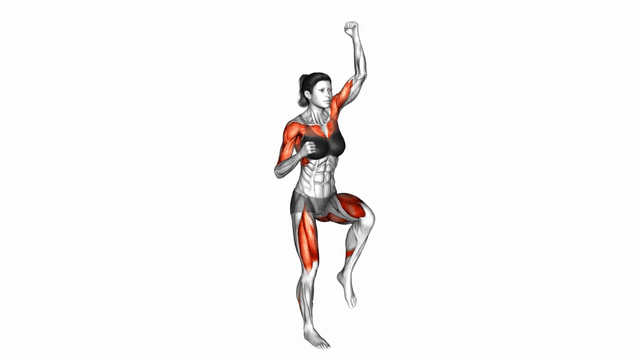
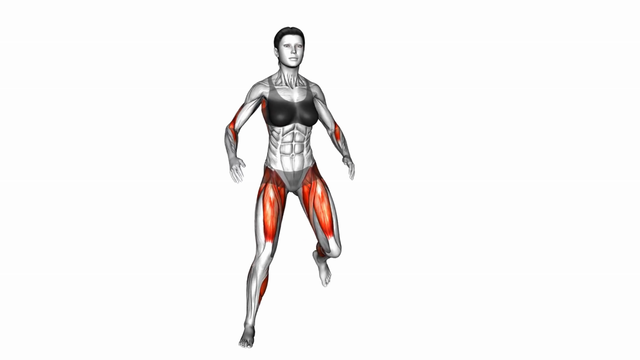
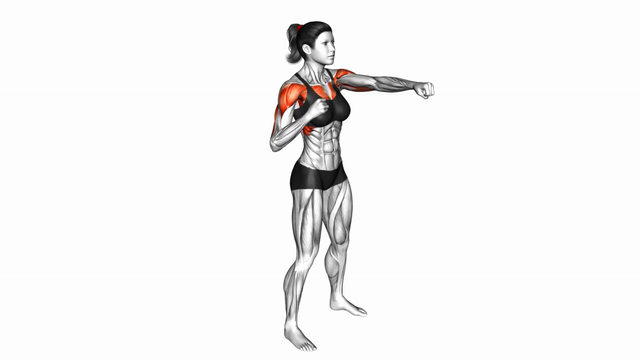
Air Punches March is a senior-friendly standing exercise that combines gentle marching in place with light air punches. It wakes up the whole body, supports coordination, and adds a bit of low-impact endurance work. You can keep it very small and calm—short steps and soft punches are enough. If you want more confidence and balance support, do it next to a sturdy chair or armchair.
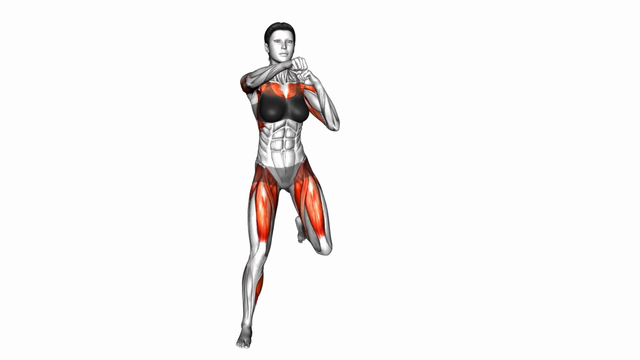
This exercise activates the arms, shoulders, chest, thighs, and core—helping to improve coordination, endurance, and full-body mobility for everyday actions like walking, reaching, and lifting.
Difficulty
Easy to Medium
Easy with small steps and low punches. Medium if you march higher, punch higher, or go longer.
Equipment
None
Optional: stand near a sturdy chair or armchair for balance support. If you want a light progression later, you can add gentle resistance (like very light hand weights or a soft resistance band), but it is not required.
Duration
2–3 minutes
This movement combines marching and air punches to support balance, gentle strength, and daily mobility. Keep it comfortable and controlled.
Before you begin, check in with how you feel today. If you’ve been told to limit upper body or leg movement, or if anything feels uncomfortable, it's okay to rest or do a smaller version. Deep, steady breaths will help you move with ease and stay balanced.
How to do it (step-by-step)
Set your position
Stand tall with feet hip-width apart. If balance is a concern, stand near a chair or armchair and keep one hand ready to hold it.
Bring hands to chest level
Keep elbows relaxed and shoulders down. Hands stay light, not tense.
Start marching in place
Lift one knee gently, then the other. Small steps are perfect—no need to go high.
Add an air punch
With each step, punch one arm forward or slightly upward, like reaching for the sky. Keep the punch soft and controlled.
Alternate arms and legs
Switch sides smoothly: left knee with right arm, then right knee with left arm. Find a steady rhythm you can maintain.
Stay upright and balanced
Keep your chest lifted, eyes forward, and core gently engaged. If you feel wobbly, slow down and use the chair for support.
Continue for time
Keep going for 30–60 seconds, then rest. Build up toward 2–3 minutes if it feels good.
Finish slowly
Stop the punches first, then slow your march and stand still. Take a few calm breaths before walking away.
Breathing tip
Breathe out gently as you punch, and breathe in as your arm returns. Keep the breath steady to help balance and endurance.
Common mistakes (avoid these)
Going too fast and losing balance (slow is safer and more effective)
Shrugging shoulders or tensing the neck during punches
Punching too hard or locking the elbow (keep the arm soft)
Leaning back or swaying side-to-side instead of staying tall
Holding your breath
Reps / sets recommendation
Beginner
30–45 seconds × 1–2 sets (rest 30–60 seconds between sets)
Progress option
60–90 seconds × 2 sets
Build up gradually toward 2–3 minutes total
Tip for seniors
Stay steady and comfortable. Smaller marching steps and lighter punches still provide excellent training for balance and coordination.
Modifications
Easier
Seated version: sit tall in a chair and march by lifting one foot at a time, with gentle punches.
Hold a chair or armchair with one hand and keep punches lower (chest level).
Slow the rhythm and keep the knees low for comfort.
Harder (only if pain-free and stable)
Increase time slightly (add 15–30 seconds) while keeping form clean.
March a little higher or punch a little higher (still controlled).
Add very light resistance (tiny hand weights or a soft resistance band) only if it feels comfortable.
Who should avoid / cautions
Use extra care or avoid this exercise if you have:
Balance problems or recent falls unless you use a chair or armchair for support
Shoulder pain that worsens with punching or reaching overhead
Knee, hip, or ankle pain that increases with marching
Dizziness, shortness of breath, or discomfort when standing in place
Any medical advice to limit upper body or leg movement
If you’re unsure, choose the seated chair version, reduce the range, and ask your doctor/physio what level of activity is safe for you.
Doing Air Punches March regularly can help older adults improve balance, coordination, and gentle endurance without complicated moves or equipment. It is a practical exercise for elderly training at home because you can go at your own pace and use a chair or armchair for support. Keep the steps small, keep punches light, and focus on steady breathing. With consistency, exercises like this can support smoother walking, easier reaching, and better daily energy.
For many older adults, yes—when done slowly and comfortably. Use a chair or armchair for balance if needed, keep punches light, and stop if you feel pain, dizziness, or unusual shortness of breath. If you have medical restrictions, follow your clinician’s advice.
Lower the punches to chest level, slow down, and relax the shoulders away from the ears. You can also march with arms down for a few steps, then add gentle punches again.
Yes. Sit tall in a sturdy chair, lift one foot at a time for a gentle seated march, and add light punches. This seated option is helpful when balance is limited.
Start with 30–45 seconds and rest. Build up toward 2–3 minutes total as it feels comfortable. The best duration is the one that lets you stay steady and breathe smoothly.
It works arms, shoulders, and chest during the punches, and thighs and core during the march. Together, these muscles support everyday mobility like walking, reaching, and carrying light items.
What seniors say
“A nice warm-up that wakes me up.”
Gloria
Age 72 • Morning routine
“I do small steps and gentle punches. It helps me feel more awake and steady before I start my day.”
“Great for coordination without being hard.”
Harold
Age 66 • Light cardio
“The rhythm is easy to follow. I keep it slow and it still feels like good training.”
“Seated version works well for me.”
Mei
Age 74 • Prefers seated
“Some days I use a chair and do the seated march with light punches. It feels safe and still gets my body moving.”
“The chair nearby makes me feel confident.”
Thomas
Age 70 • Balance support
“I stand next to my armchair and keep the steps small. It helps me practice balance without worrying.”
“Good energy booster in a few minutes.”
Sandra
Age 63 • Quick sessions
“Just two minutes makes me feel warmer and more energized. The breathing tip helps a lot.”
“Light punches feel good on my shoulders.”
Luis
Age 68 • Mobility focus
“I keep the punches gentle and it helps me feel looser. It’s simple but effective.”
“Easy to do while watching TV.”
Aisha
Age 76 • At-home routine
“I do small marches and punches during commercials. It helps me stay active without feeling rushed.”
“Simple, safe, and steady.”
Robert
Age 71 • Steady pace
“I like exercises where I can go slowly. Using a chair nearby keeps me relaxed and balanced.”
Building a Consistent Exercise Habit at Home
One of the biggest advantages of senior fitness is that you don't need a gym membership or expensive equipment to see results. Home exercises for elderly individuals can be just as effective as studio classes when done regularly. Your living room becomes your workout space—all you need is a sturdy chair, comfortable clothing, and a few minutes of dedicated time. Resistance bands cost just a few dollars and provide endless exercise variations for arms, legs, and core. Chair-based strength routines fit perfectly into daily schedules, whether you prefer morning movement to energize your day or evening sessions to unwind. The key to success isn't intensity but consistency: short sessions done several times per week deliver better results than occasional lengthy workouts. As you build your routine, you'll notice improved balance when walking, greater ease when standing from seated positions in your armchair, and more confidence in your overall mobility.
Setting Yourself Up for Success
Start by choosing a specific time each day for your training—habit formation thrives on routine. Keep your resistance bands and any other equipment in a visible spot as a gentle reminder. Many seniors find that exercising while watching a favorite show or listening to music makes the time pass quickly. Track your progress with simple notes about how exercises feel or how many repetitions you complete. These small victories add up, creating momentum that keeps you moving forward and reinforces the strength and independence you're working to maintain.